Angulo Window
Angulo Window
Angulo Window
Explore our top-performing aluminum alloy window structures engineered for high thermal retention, sound insulation, and structural security in modern residential and commercial architectures.
In high-density residential developments, multi-family housing complexes, and high-rise commercial configurations, building envelopes must balance robust energy conservation, structural security, and immediate emergency evacuation capabilities. Aluminum egress windows represent the pinnacle of this multi-faceted engineering requirement. This white paper outlines the core materials science, thermodynamic profiling, global regulatory compliance, and architectural integration of advanced egress systems designed and manufactured by Foshan Angulo Window Co., Ltd.
Egress windows must comply with stringent localized building codes (e.g., International Residential Code - IRC R310) dictating minimum net clear opening dimensions. High-tensile aluminum allows for slimmer frames that optimize the daylight opening while meeting all emergency exit mandates.
Through advanced thermal break technology featuring PA66 GF25 polyamide insulation strips, modern aluminum egress systems achieve low U-values comparable to wood or vinyl, eliminating thermal bridging and condensation in cold climates.
Unlike PVC, which suffers from thermal warping and low shear resistance, structural 6063-T5 or T6 grade aluminum alloys withstand wind loads up to DP70. Integrated multi-point locking mechanisms ensure wind-tight seals and burglar resistance.
Foshan Angulo Window Co., Ltd. is a specialized, high-tech enterprise dedicated exclusively to the research, development, manufacturing, and servicing of high-performance architectural window systems. Headquartered in Foshan—the heart of China's aluminum extrusion and fabrication capital—Angulo operates with a strict focus on innovation, precision engineering, and premium material integration.
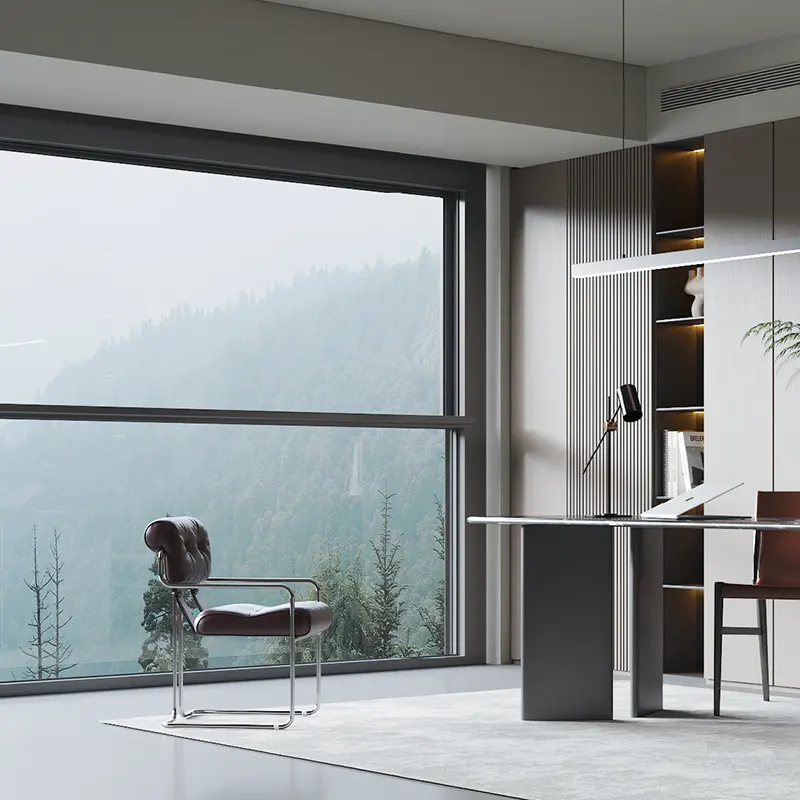
Driven by scientific innovation and guided by master craftsmanship, Angulo delivers highly competitive, system-level window solutions. Our strategic roadmap emphasizes continuous collaboration with global design firms, developers, and engineering consultants to keep up with building decarbonization goals and green building benchmarks.
Our manufacturing facility spans over 30,000 square meters, leveraging fully integrated automated production lines. We handle upstream raw material quality control through to downstream complete window system assembly. This complete supply chain integration ensures that each window meets target thermal, structural, and acoustic criteria.
Urbanization, changing climates, and strict energy efficiency codes (such as the EU's EPBD and North America's ASHRAE standards) have changed the global window market. Developers are moving away from traditional wood and non-recyclable PVC windows in favor of sustainable, high-performance structural systems.
Modern construction projects targeting LEED, BREEAM, or Passive House certification require window envelopes with low thermal transmittance (U-values) and high solar heat gain coefficient control (SHGC). Foshan Angulo designs insulated aluminum profiles with integrated thermal barriers that achieve a U-value of less than 1.4 W/m²K, minimizing heating and cooling energy use in heavy commercial and multi-family buildings.
While PVC was historically popular due to lower material costs, it lacks the tensile strength required for large commercial designs. Standard PVC also deteriorates under UV exposure. High-strength aluminum allows architects to design narrow profile frames. This increases the glass surface area, which improves natural light and helps meet the strict clear-opening requirements of emergency egress codes.
Angulo's engineering department focuses on smart window systems, vacuum insulating glass (VIG) integration, and sustainable circular manufacturing. By using low-carbon, recycled primary aluminum billets and eco-friendly powder coatings, we reduce the embodied carbon of our window systems, helping developers meet carbon-neutral project goals.
Utilizing intelligent CNC machinery with automated tooling updates to maintain exact dimensions on large egress window orders.
Developing ultra-slim glazing units that match the thermal insulation of triple-pane windows but weigh significantly less.
Integrating emergency escape window hardware with localized fire detection systems for automated opening during emergencies.
Egress windows must meet specific building codes in each target export market. Foshan Angulo designs and certifies its window configurations to comply with key regional standards, including North American, European, and Asia-Pacific regulations.
For residential basements and sleeping rooms, the International Residential Code (IRC) mandates:
EU building codes require CE-marked fenestration systems showing proven performance ratings in:
For coastal areas and high-velocity wind zones (e.g., Florida HVHZ), our windows feature:
This comparison table shows why high-grade 6063-T5 aluminum alloy thermal break systems are preferred for commercial egress installations over traditional PVC or softwood frames.
| Performance Metric | Thermal Break Aluminum (Angulo) | Standard PVC / Vinyl | Softwood / Timber |
|---|---|---|---|
| Tensile Yield Strength | High (145-186 MPa) | Low (35-50 MPa) | Medium (40-80 MPa) |
| Thermal Transmittance (U-Value) | 1.2 - 1.6 W/m²K | 1.1 - 1.5 W/m²K | 1.2 - 1.5 W/m²K |
| Profile Width (Maximize Egress) | Slim (50-70mm) | Bulky (90-120mm) | Wide (80-110mm) |
| Operational Lifespan | 40+ Years (Recyclable) | 15-20 Years (Degrades) | 20-30 Years (High Maintenance) |
Foshan Angulo has established strategic partnerships with commercial developers, construction contractors, and fenestration distributors worldwide. Our products are packaged, shipped, and certified to arrive at building sites in accordance with local import standards.
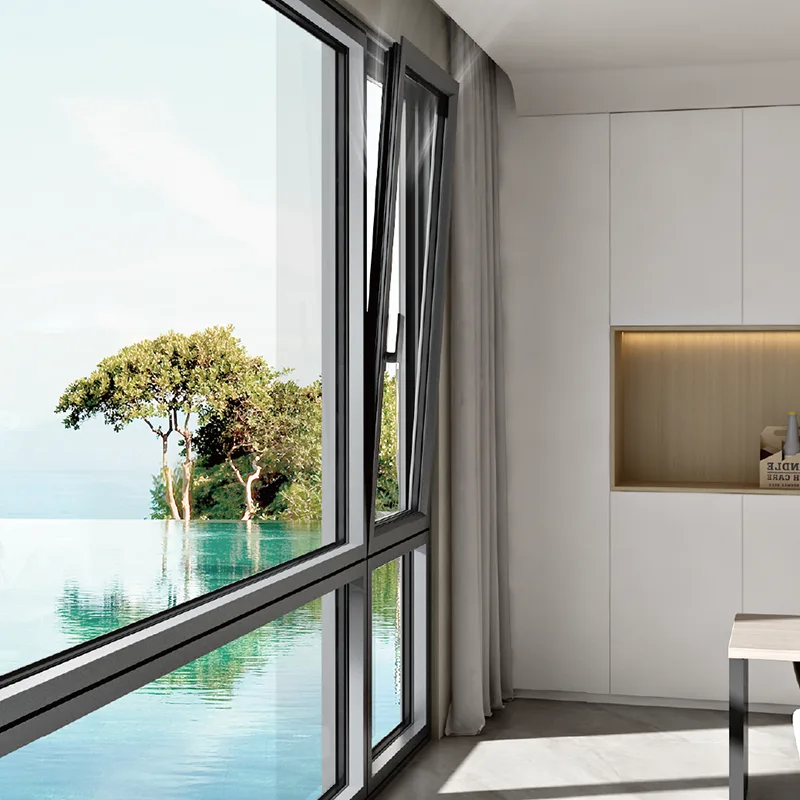
We run full mechanical testing on each production run, verifying corner weld strength, structural load limits, and air/water sealing integrity prior to packing.
We offer premium finishes, including AAMA 2605-compliant fluorocarbon coatings, multi-color powder coatings, and realistic wood grain heat transfers.
Our logistics team uses customized protective packaging and optimized loading layouts to reduce freight costs and prevent shipping damage.
Get detailed technical answers regarding code compliance, custom fabrication options, and thermal performance metrics for our aluminum egress windows.
To meet the standards of the International Residential Code (IRC) for emergency exits, an egress window must achieve a minimum net clear opening area of 5.7 square feet. The opening must have a minimum clear height of 24 inches and a minimum clear width of 20 inches. Additionally, the bottom of the clear opening (sill) must not be more than 44 inches above the finished floor level. Our engineering team designs window profiles specifically to maximize this openable space without requiring excessively large frame dimensions.
Aluminum is highly conductive, meaning standard aluminum frames can transfer heat and cold rapidly. To solve this, our thermal break windows feature a low-conductive polyamide barrier (specifically glass-fiber reinforced PA66 GF25) inserted between the interior and exterior aluminum profiles. This barrier breaks the path of thermal conduction, significantly reducing heat transfer, preventing condensation on the inside of the frame, and lowering overall heating and cooling energy consumption.
For bulk commercial orders, our typical production lead time ranges from 30 to 45 days, depending on profile design complexity and required surface finishes. We source raw billets, run extrusions, perform powder coating, assemble the glass units, and package the finished windows in our 30,000-square-meter facility. This direct control over the manufacturing process ensures high quality and reliable delivery timelines.
Yes, we support complete customization of glass assemblies. Depending on your project's thermal and acoustic targets, you can specify double or triple glazing, argon gas fills, warm-edge spacers, and various high-performance Low-E coatings. We also supply hurricane-impact laminated glass for projects in coastal areas prone to high winds.
Traditional drainage holes on the front of window frames can allow wind to blow water back inside. Our hidden drainage designs use downward-facing internal weep holes concealed within the outer profile frame. Gravity directs water down and out through bottom channels, preventing water ingress even during heavy wind-driven rain.
Discover more of our engineered aluminum systems, featuring custom-designed profiles, advanced acoustic sealing, and multi-point security hardware.