 Angulo Window
Angulo Window
Angulo Window
Engineered specifically for extreme coastal winds, high-humidity corridors, and modern architectural projects in Equatorial Guinea.
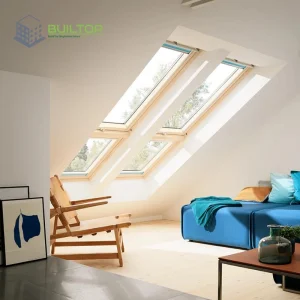
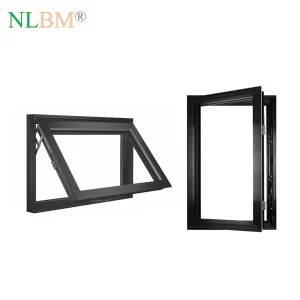

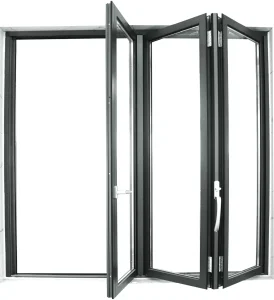
Equatorial Guinea—comprising the insular region of Bioko Island (with the capital Malabo) and the continental mainland region of Río Muni (with Bata as its economic engine)—presents one of the most challenging tropical maritime environments for architectural installations. High annual precipitation exceeding 2,000mm, relentless ocean winds, and elevated relative humidity profiles demand exterior building envelopes that exhibit superior anti-corrosion, wind pressure resistance, and thermal insulation capabilities. Historically, building developers in West Africa relied on low-specification steel or basic PVC materials, leading to accelerated rust, warping, and premature structural failure.
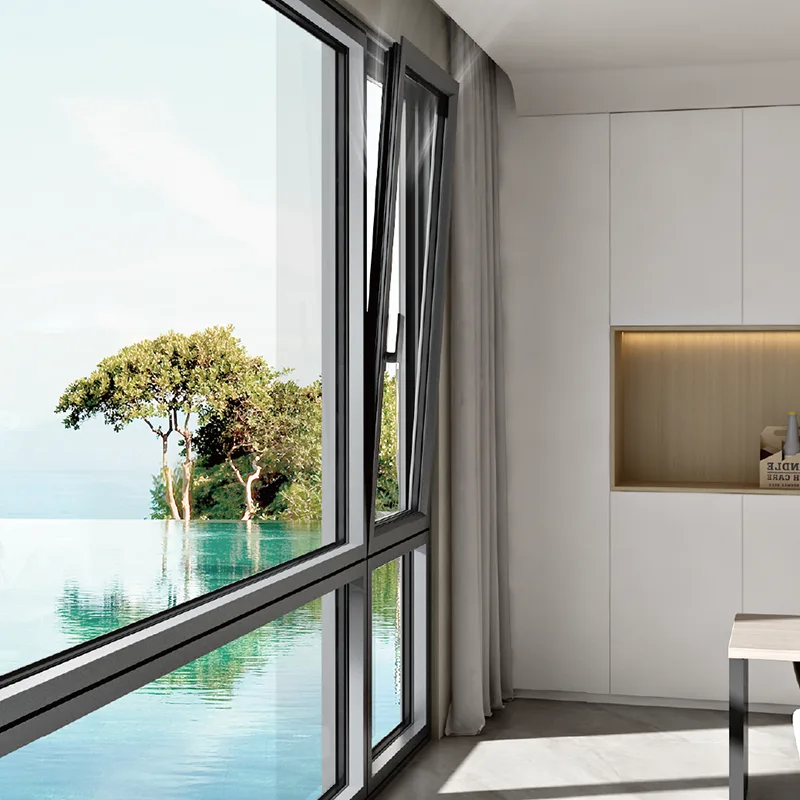
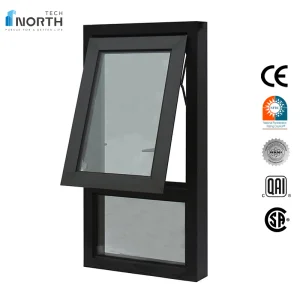
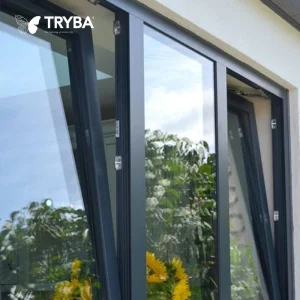
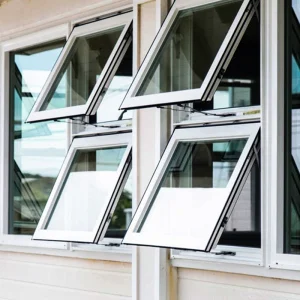
As the nation transitions towards sustainable urban planning, key regions such as Malabo II and the futuristic administrative capital Oyala (Ciudad de la Paz) are implementing strict energy-efficiency codes and long-lasting durability indexes for all institutional and residential developments. High-grade aluminum awning windows have emerged as the primary standard for developers seeking systems that minimize maintenance costs while offering robust protection against severe coastal storms. The top-hung configuration allows for continuous ventilation even during tropical downpours, a design feature critical to maintaining indoor air quality and comfort without taxing mechanical HVAC units.
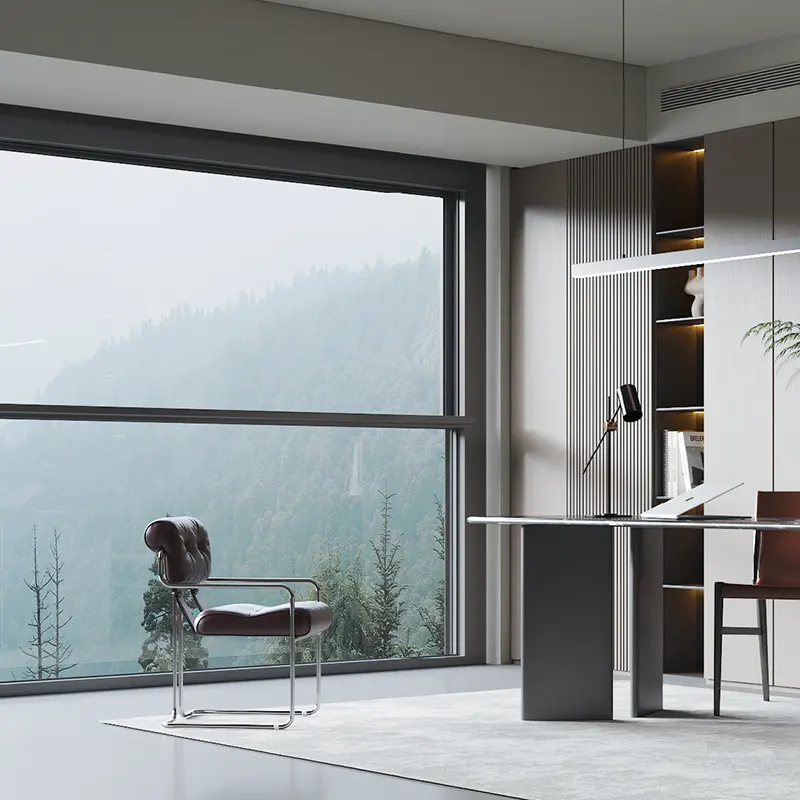
Fitted with heavy-duty structural hardware, high-end aluminum awning windows from China’s leading manufacturing hub utilize structural thermal barrier technology. Standard aluminum profiles act as natural conductors of heat; however, by integrating a reinforced polyamide glass fiber strip (PA66 GF25), the exterior and interior sections are decoupled. This creates a thermal barrier that drastically limits the transfer of ambient tropical heat into air-conditioned interior spaces. This configuration lowers overall building energy footprints in places like Malabo, where cooling loads are active year-round.
To withstand the highly corrosive, salt-laden marine air characteristic of Bata and Litoral provinces, advanced surface treatments are applied to our aluminum extrusions. Options include:
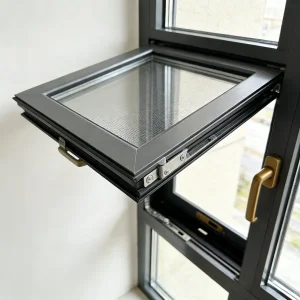
Furthermore, safety and impact-resistant designs are crucial. Laminated and tempered glass configurations shield interiors from heavy impact wind-borne debris, while multi-point friction hinges and child-safe restrictors guarantee operational safety and security against intruders.
Our engineering capabilities, structural testing facilities, and international logistics operations.
Premium sound isolation, integrated security designs, and robust hardware configurations for commercial hubs.
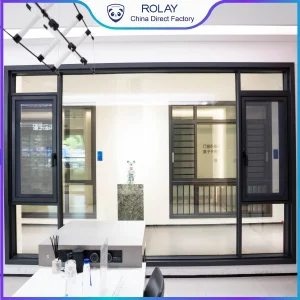
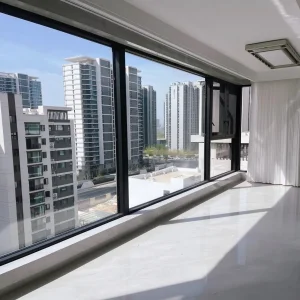
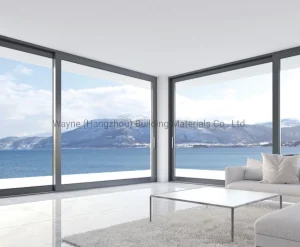
Foshan is recognized globally as the primary epicentre for aluminum extrusion and window system design. The local ecosystem contains fully integrated vertical supply chains—ranging from state-level aluminum raw smelting, billet casting, hardware component precision tooling, to specialized seal, glass, and accessory manufacturing. This unparalleled concentration allows manufacturers like Foshan Angulo Window Co., Ltd. to source high-grade raw materials at optimized cost-performance parameters, transferring massive savings to global procurement buyers and commercial building developers in West Africa.
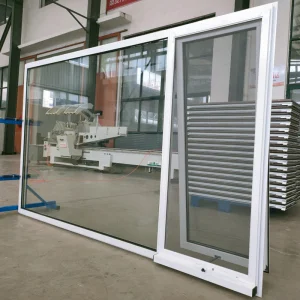
By using automated CNC milling systems, multi-axis profile machining centers, and modern electrostatic powder coating lines, Chinese factories maintain micro-millimeter precision across customized profiles. The high structural integrity of Foshan-engineered windows significantly outclasses generic local African fabrications, which often struggle with out-of-square profiles and poor weather-tightness. Our export systems feature high-strength corner joints glued and crimped using pneumatic technology, ensuring zero deformation during trans-oceanic shipping and regional overland transport from the Port of Malabo or Port of Bata to inland sites.
High-precision double-head CNC saws guarantee cutting tolerances under 0.2mm for exceptional sealing.
Double and triple glazing configured with Argon gas layers to lower thermal gain and eliminate outdoor noise.
Strategic supply agreements with global ocean liners ensure timely and secure shipping to Malabo & Bata ports.
Foshan Angulo Window Co., Ltd. is an engineering-first manufacturer dedicated exclusively to the R&D, fabrication, and custom export of high-performance architectural systems. As a strategic partner for builders across West Africa, we bridge the gap between heavy-duty engineering and modern visual design. Our operations leverage a 30,000-square-meter advanced manufacturing facility outfitted with high-end CNC fabrication centers, automated profile coating loops, and rigorous pressure testing equipment.
We work in alignment with global architectural requirements, delivering customized solutions that cater to various project conditions. Our products are exported to numerous countries and regions, including active developmental projects in Equatorial Guinea, Angola, Nigeria, and other Sub-Saharan hubs. By managing the full value chain from profile design to direct jobsite delivery, we help developers control budgets without sacrificing structural safety.
Understanding the micro-climates within Equatorial Guinea dictates proper window selection. For example, residential construction on the high-wind shores of Bioko Island demands high water tightness and wind resistance. Awning windows, when closed, form a compression seal against the weather-stripping, blocking draft air and torrential rain. This design provides maximum safety against the region's seasonal storms.
Conversely, in institutional settings within Oyala, the priority shifts toward sound attenuation and thermal control. Using double-glazed laminated low-E glass options in classrooms and administration offices maintains comfortable working conditions while keeping internal spaces isolated from tropical ambient heat. Additionally, commercial depots and logistics warehouses in Bata require durable, low-maintenance hardware. Our marine-grade coated hardware components stay fully operational, avoiding the corrosion problems that regularly damage lower-specification alternative hardware.
Explore our full line of commercial, residential, and specialty window systems tailored for West Africa.
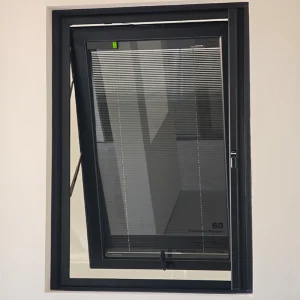
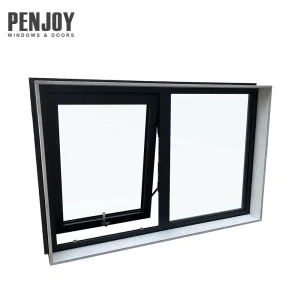
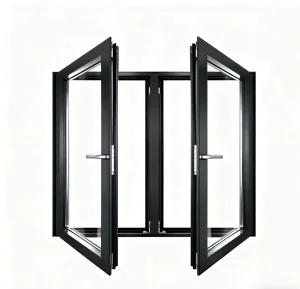
Modern developers and procurement managers face complex logistics when working across multiple markets. Standardizing glass facades, window-to-wall ratios, and opening types is essential to avoid delays. Our engineering team assists procurement directors by providing comprehensive structural calculations, cross-sectional CAD drawings, and energy ratings before manufacturing begins.
Equally critical is verifying international compliance certificates. Standard construction projects in West Africa increasingly reference European (EN) and Australian (AS2047) parameters for performance evaluation. Ensuring the selected aluminum alloy (typically 6063-T5 or T6) exhibits proper tensile strength yields durable, long-term performance under pressure. By partnering with a verified manufacturer in China, projects benefit from components that undergo rigorous air infiltration, water penetration, and structural deflection tests.
Expert technical insights regarding logistics, installation, and custom configurations for West African projects.
We use high-grade PVDF (fluorocarbon) finishes or premium Qualicoat Class 2 powder coatings to protect all profiles. These surface treatments prevent oxidation and pitting in high-salinity marine environments. All integrated screws and connecting brackets are manufactured from SS316 stainless steel to eliminate galvanic corrosion.
Importing directly from our factory in Foshan gives you access to a vertically integrated supply chain, lowering unit costs. It also ensures access to advanced technologies like thermal break profile extrusion and CNC milling. These structural profiles offer superior strength compared to basic local assemblies.
We provide multi-chamber thermal break profiles filled with polyurethane foam or fitted with PA66 polyamide barriers. When combined with double-glazed, low-emissivity (Low-E) glass filled with Argon gas, these systems lower U-values and significantly reduce heat transfer, lowering building air conditioning costs.
Yes, our systems are manufactured to comply with major international specifications, including Australian AS2047, European CE, and American NFRC standards. We supply full testing documentation and physical parameter certifications upon request to simplify the building inspection and approval process.
All products are packed in heavy-duty wooden crates, separated by protective foam layers, and tightly secured inside shipping containers. We export through major regional ports like Guangzhou, Shenzhen, and Foshan, delivering directly to the Port of Malabo and Port of Bata. We also coordinate custom clearing documentation to streamline delivery to your project site.
Contact our engineering team today to receive detailed drawings, wind load calculations, and a comprehensive quote for your project in Equatorial Guinea.