Angulo Window Angulo Window

Why Choose a Pillar Mounted Basin for Small Spaces?

Time:2026-09-28 Author:Mason
0%

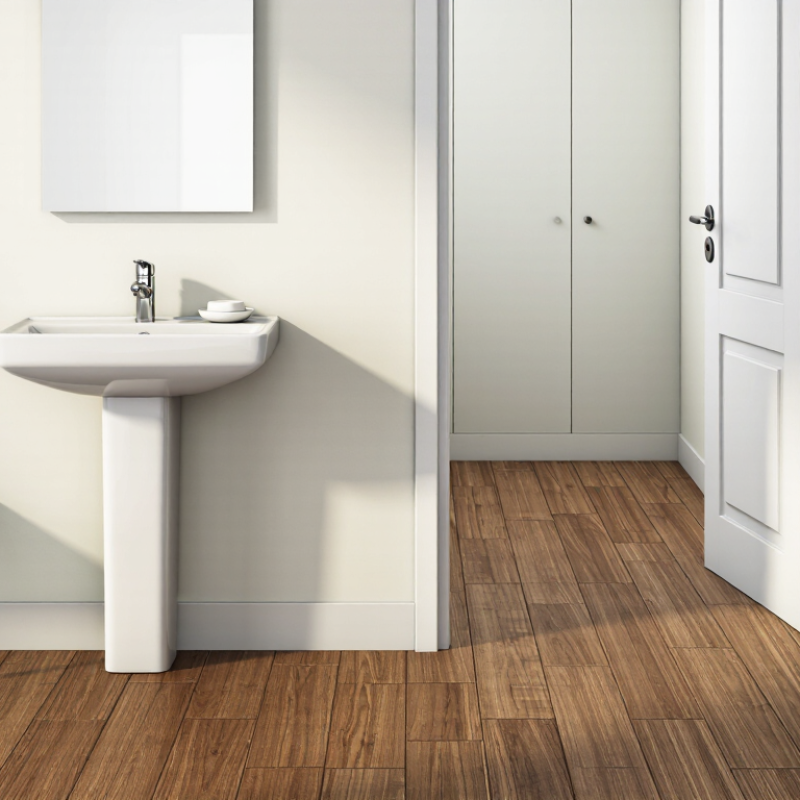
A small cloakroom can feel cramped before anyone uses it. A deep vanity, exposed cleaning products, and a door that clips the basin quickly consume useful space. A pillar-mounted basin offers a simpler profile: the bowl is fixed to the wall, while a pedestal conceals much of the plumbing below. For homeowners asking “why choose a pillar-mounted cloakroom for small spaces,” the appeal is clear. It keeps the floor more visible and can make a narrow room feel less crowded.

Space matters. Architect Ludwig Mies van der Rohe’s well-known principle, “Less is more,” offers a useful design lens here. A pared-back basin can reduce visual bulk without making the room feel unfinished. In practical planning, check the basin’s projection, the door swing, and the clearance around the tap before buying. A few centimetres can change whether the room feels comfortable or awkward. Measure twice.

The pedestal has limits, too. It takes up some floor area, and it usually offers no storage for spare soap or hand towels. Wall-mounted fittings also need suitable support and careful installation. These details deserve attention; a compact look alone does not guarantee a better layout. Compare the basin dimensions with your actual room, and consider where everyday items will go. A pillar-mounted model can be a smart choice for a small cloakroom, but only when its footprint and practical trade-offs fit the space.
Why Choose a Pillar Mounted Basin for Small Spaces?

What Is a Pillar-Mounted Basin?

A pillar-mounted basin is a washbasin fixed to the wall, with a pedestal beneath it supporting the bowl or concealing the waste pipe. The pedestal is not usually a storage cabinet, and it does not replace secure wall fixings. That distinction matters. In a compact bathroom, the open space beneath the basin can make the floor feel less crowded and easier to clean, while the basin still provides a familiar washing area. Pipe positions and wall strength must suit the chosen model; a neat-looking pedestal cannot correct a poorly placed waste outlet.

The shape also affects daily use. A narrow, rounded bowl may leave more passing room, but a shallow basin can splash onto the floor. Measure the projection from the wall, door swing, and space beside the taps before choosing. Measure twice.

For water use, the U.S. EPA WaterSense faucet specification sets a maximum flow of 1.5 gallons per minute, compared with the federal standard of 2.2 gallons per minute for bathroom faucets. This figure concerns the faucet, not the basin itself, but it can help guide a practical pairing.

One trade-off is easy to miss: the pedestal hides pipes, yet offers little room for towels or cleaning supplies. It may still be the right fit—just not for every small bathroom.

How Its Design Saves Space in Small Bathrooms

A pillar-mounted basin can free up valuable floor area by replacing a bulky vanity cabinet with a narrow pedestal. In a compact bathroom, that open space can make the route between the door, shower, and toilet feel less cramped. The exposed floor also creates a clearer visual line, which may make the room seem larger. A small change. It can matter.

The National Kitchen & Bath Association’s Bathroom Planning Guidelines recommend at least 21 inches of clear space in front of a lavatory. A shallow basin can help preserve that clearance where a deeper cabinet would intrude, though the actual fit depends on the model and room layout. Check the basin’s projection and tap position before buying. Also consider what disappears with the cabinet: towels, toiletries, and cleaning supplies need another home. A slim wall shelf or recessed cabinet may restore some storage without crowding the floor. Pillar designs are not always the best answer; the pedestal itself occupies space, and cleaning around its base can be awkward. Measure the doorway swing, too. The overlooked detail.

Key Benefits and Practical Limitations

A pillar-mounted basin can make a small bathroom feel more open because its narrow support leaves visible floor around the fixture. That matters in a room where a door edge, laundry basket, or towel rail already competes for space. The trade-off is storage: there is usually no vanity cabinet for spare soap, cleaning cloths, or toiletries. A slim wall shelf may help, but it can crowd the basin or interrupt the mirror.

Water use depends more on the tap than the basin. The U.S. EPA WaterSense specification limits labeled bathroom sink faucets to 1.5 gallons per minute, compared with the federal maximum of 2.2 gallons per minute. This is a useful planning detail, not a promise that every pillar basin saves water. Check the faucet’s flow rate and whether its spout reaches comfortably over the bowl. Small misses matter.

Installation can also be less forgiving than the clean silhouette suggests. Exposed plumbing needs a neat finish, and the basin must sit at a comfortable height with enough clearance for hands and elbows. Measure the door swing and walking route before choosing one. I would not call it automatically space-saving: a broad bowl or bulky column can still dominate a compact room. That deserves a second look.

Why Choose a Pillar Mounted Basin for Small Spaces? - Key Benefits and Practical Limitations

Consideration Potential benefit Practical limitation What to check
Floor space and visual openness A basin supported by a slim pedestal can take up less visual space than a full vanity cabinet. The open floor beneath it may make a compact bathroom feel less crowded. It does not increase the room’s actual floor area, and the pedestal still occupies floor space. Measure the basin’s full width and projection from the wall, then check door swings and walking clearance.
Storage The simpler footprint can leave room for separate wall shelves or a recessed medicine cabinet. Unlike a vanity, the basin itself provides no enclosed storage for toiletries or cleaning supplies. Plan storage elsewhere without narrowing the route through the bathroom.
Pipework and appearance The pedestal can conceal some of the drain and supply pipework, creating a neater appearance than an exposed wall-mounted basin. It may not hide every connection; the amount concealed depends on the basin design and plumbing layout. Confirm pipe positions and clearances before buying, especially when replacing an existing basin.
Cleaning and maintenance There is no cabinet base to clean around, and the floor beside the basin is generally accessible. The floor around the pedestal and the junction between basin and wall still need regular cleaning; plumbing access can vary by installation. Ask how the basin is fixed and how plumbing connections can be reached for repairs.
Installation and wall support A compact basin can suit layouts where a deep vanity would obstruct movement. Many models are secured to the wall as well as supported by the pedestal. Installation needs suitable fixings and correctly positioned plumbing. Follow the installation instructions and confirm that the wall and existing pipework are suitable.
Accessibility and knee clearance The open area around the basin can feel less enclosed than a cabinet-front vanity. The pedestal blocks the space directly beneath the basin, so it does not provide the knee clearance needed for many seated or wheelchair-accessible layouts. For accessibility needs, check applicable local requirements and consider a suitable wall-hung basin with protected pipework.
Best fit for Powder rooms and compact bathrooms where a simple basin and an open visual feel matter more than built-in storage. Less suitable where substantial under-sink storage or clear space for seated access is a priority. Compare the measured layout, storage needs, plumbing position, and accessibility requirements before choosing.

Note: Available basin dimensions, fixing methods, and plumbing clearances vary by model. Check the product specifications and installation guidance for the exact unit.

Choosing the Right Basin for a Compact Room

Choosing the right basin for a compact room starts with a tape measure, not a catalogue. Record the available wall width, basin projection, and distance to the door. A pillar-mounted basin can give a small bathroom a clean, grounded look while hiding pipes behind its pedestal. But the pedestal still occupies floor space. It is not automatically the best choice for every tight layout.

Check how the basin works with daily movement. Leave enough room to stand comfortably and open the door without knocking into the bowl. A shallow basin may preserve walking space, but its depth should still limit splashing. For example, mark the proposed basin’s outline on the floor with masking tape. Then try the doorway and nearby drawers. It’s a simple test. Slightly awkward, perhaps, but useful.

Think about storage before choosing a shape. A pillar leaves little room beneath the basin for towels or cleaning supplies, so a narrow wall shelf may help. Also check where the water connections sit; moving them can add work and cost. In an older room, the walls may not be perfectly square, and a neat-looking basin can expose that flaw. Measure twice, and confirm the installer can reach the pipework before fixing the position.

Why Choose a Pillar-Mounted Basin for a Small Space?

Typical depth ranges for compact basin styles

A pillar-mounted basin can provide a compact alternative to a vanity, leaving the area beneath the bowl open. The pedestal still occupies some floor space, so check the basin’s actual dimensions and plumbing position before choosing. Ranges shown are representative examples; sizes vary by model.

Installation, Cleaning, and Maintenance Considerations

A pillar-mounted basin can make a compact bathroom feel less crowded, but installation requires careful planning. Measure the basin, door swing, and walking clearance before choosing its position. Check that the wall can support the fixture; tile alone is not a reliable fixing surface. A qualified installer can confirm suitable anchors, plumbing locations, and the basin’s level. Small details matter. Leave access to the trap and shut-off valves, even when space is tight.

For cleaning, use a soft cloth and mild soap rather than abrasive pads, which may dull the glaze. Wipe the basin after use to limit water spots, especially around the tap and drain. Clean the narrow gap beside the pillar with a small brush. It is an awkward corner, honestly, and easy to miss during a quick bathroom tidy.

Check the tap connections and drain occasionally for drips. A small leak can stain the floor or loosen nearby sealant over time. If the basin shifts, or a crack appears, stop leaning on it and arrange an inspection. Avoid overtightening fittings during maintenance; porcelain can be damaged by uneven pressure. Keep the installation instructions somewhere accessible, since repair details vary by basin and wall construction.

FAQS

What is a pillar-mounted basin?

It is a wall-fixed washbasin with a pedestal beneath the bowl. The pedestal may support the basin or conceal waste pipes, but it does not replace secure wall fixings.

Can a pillar-mounted basin make a small bathroom feel larger?

Often, yes. Its narrow support leaves more visible floor than a cabinet might. But a broad bowl or bulky pedestal can still dominate the room.

Does the pedestal provide useful storage?

Usually not. It hides pipes, but leaves little room for towels, soap, or cleaning supplies. A nearby shelf may help, though it can crowd the mirror.

What should I measure before choosing one?

Check the basin’s projection, door swing, walking route, and space beside the taps. Measure twice. Also confirm that the waste outlet and wall fixings match the model.

Can a shallow bowl cause splashing?

Yes. A narrow, rounded bowl may create more passing room, but a shallow basin can send water onto the floor. That trade-off is easy to miss.

Does the basin itself determine water use?

No. The faucet has more influence. A faucet rated at 1.5 gallons per minute uses less water at full flow than one rated at 2.2 gallons per minute.

What should I consider when choosing a faucet?

Check its flow rate and whether the spout reaches comfortably over the bowl. A poor reach can make ordinary handwashing awkward. I still find this detail easy to overlook.

Is installation always simple?

Not necessarily. The basin needs strong wall fixings, comfortable hand clearance, and tidy-looking exposed plumbing. A neat pedestal cannot fix a badly placed waste outlet.

Conclusion

A pillar-mounted basin is a washbasin supported by a pedestal that conceals its plumbing while keeping the fixture visually simple. In a compact bathroom, its narrow profile and lack of bulky cabinetry can make the floor feel more open and leave extra room to move. This explains why choose a pillar-mounted cloakroom for small spaces: it offers essential washing facilities without taking up the footprint of a vanity unit. It can also suit a range of layouts and create a clean, uncluttered look.

Before choosing one, measure the available width and depth, check that the basin provides enough washing space, and consider where taps and pipework will sit. A pedestal basin may offer little or no built-in storage, so shelves or a separate cabinet may be needed for toiletries. Professional, secure installation helps prevent movement and leaks. For everyday care, wipe the basin and pedestal with a soft cloth and suitable cleaner, and periodically check the taps, drain, and visible connections.

Mason

Mason

Mason is a seasoned marketing professional with a deep expertise in the company's offerings and a passion for driving brand awareness. With a strong background in digital marketing strategies, he has an innate ability to connect with diverse audiences and effectively communicate product benefits.......