Angulo Window Angulo Window

Why Are China Best Aluminum Windows More Durable Than uPVC?

Time:2026-09-08 Author:Sienna
0%

When homeowners compare China’s best aluminum windows with uPVC, durability often becomes the deciding factor. Many buyers ask, “why are aluminum windows more durable than uPVC?” The answer begins with material strength and resistance to environmental stress. Aluminum frames remain rigid across wide temperature changes. They are less likely to warp, swell, or become brittle after years of sunlight. In coastal areas, quality powder coating also helps protect the surface from moisture and salt exposure. The frame feels slim, firm, and stable when the sash closes. That small daily detail matters.

uPVC can perform well in suitable climates and applications. However, prolonged heat may cause expansion, while heavy glazing can challenge weaker profiles. Aluminum systems usually support larger glass panels and thinner sightlines. Thermal-break technology also reduces the historical concern about heat transfer. Reliable Chinese manufacturers combine insulated profiles, accurate extrusion, sealed drainage paths, and durable hardware. They should also provide test records, coating specifications, and installation guidance. Experience from real projects remains valuable, not just factory claims. Poor installation can damage even an excellent frame. This point is often missed. The word “best” also needs care. A poorly designed aluminum window may underperform, despite using a strong metal. Buyers should compare profile thickness, thermal performance, seal quality, hardware, and after-sales support. Long service life depends on the complete system. Careful selection creates windows that open smoothly, seal tightly, and keep their shape for many years.
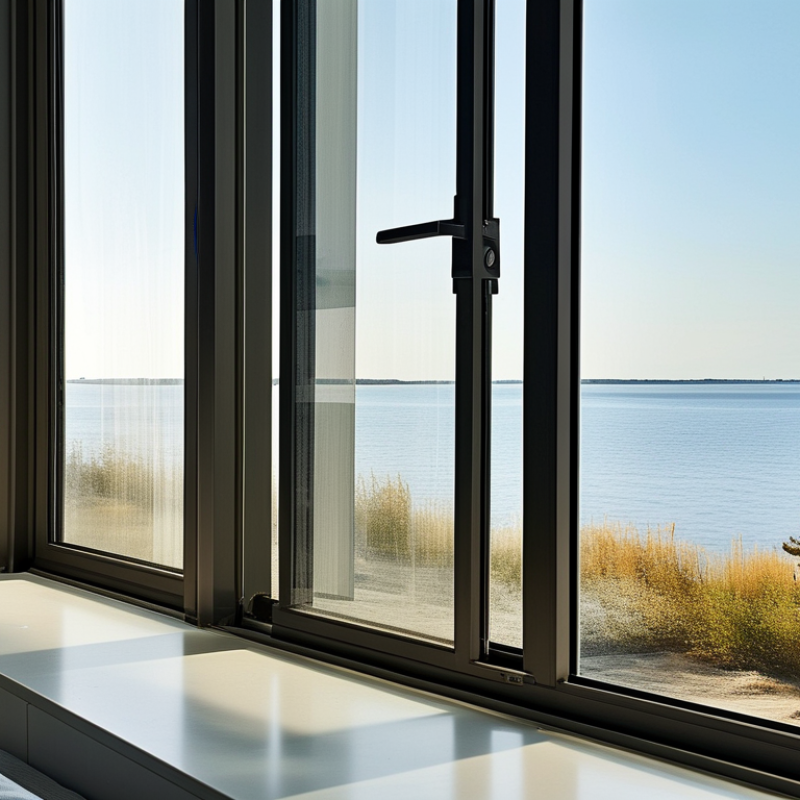
Why Are China Best Aluminum Windows More Durable Than uPVC?

What Makes Aluminum Windows Structurally Stronger Than uPVC?

Why Are China Best Aluminum Windows More Durable Than uPVC?

What Makes Aluminum Windows Structurally Stronger Than uPVC?

Aluminum windows gain structural strength from their rigid metal frames. Their high stiffness helps resist bending under wind pressure and repeated opening. This matters for wide sliding panels and tall windows. A slimmer frame can also support larger glass areas without looking heavy. In coastal or high-rise projects, engineers usually examine frame depth, wall thickness, and connection strength carefully. These details matter. uPVC can perform well, but it often needs internal steel reinforcement for larger openings. That reinforcement adds weight and may reduce usable frame space.

Aluminum also handles temperature changes with less permanent deformation than many plastic profiles. A quality thermal break limits heat transfer through the frame. Powder coating or anodizing can protect the surface when preparation and drainage are properly controlled. Installation still decides much of the result. Poor anchors, uneven shims, or blocked drainage can damage any window system. I once assumed the strongest profile would guarantee durability, but site conditions proved otherwise. That assumption was too simple. Reliable manufacturers in China typically combine tested profiles, accurate corner joints, suitable hardware, and documented quality inspections. Buyers should request performance data instead of trusting appearance alone. A strong frame cannot compensate for weak glass, careless sealing, or incorrect installation.

How Aluminum Resists Weather, Heat, Moisture, and UV Exposure

Aluminum windows often outlast uPVC because aluminum keeps its shape under demanding outdoor conditions. In coastal homes, heavy rain can strike the frame for years. Properly finished aluminum resists corrosion and does not swell like some plastic materials. Powder coatings also help protect the surface from sunlight and changing temperatures. The color may fade eventually, though. No material stays perfect forever.

Heat resistance depends on the window’s design, not metal alone. Aluminum transfers heat quickly, so high-quality frames need thermal breaks between the inner and outer sections. These insulated barriers reduce heat flow and limit condensation around the room-side frame. In hot climates, low-emissivity glass and shaded installation improve comfort further. This detail is easy to overlook.

Moisture control also depends on drainage channels, tight seals, and accurate installation. During inspections, I look for blocked weep holes and uneven frame joints. Small faults can let water enter, even when the aluminum itself remains strong. UV exposure usually damages seals and finishes before it weakens the frame. Regular cleaning removes salt, dust, and debris from moving parts. Aluminum is durable, but poor installation can defeat it.

Why Aluminum Frames Maintain Their Shape and Performance Over Time

Why Are China Best Aluminum Windows More Durable Than uPVC?

Aluminum frames maintain their shape because the material resists warping under heat, moisture, and changing loads. This matters in coastal China, where sunlight, rain, and humidity can stress window assemblies. A well-designed aluminum profile keeps its corners aligned, so locks close smoothly and seals remain compressed. Small details matter.

The International Aluminium Institute reports that about 75% of all aluminum ever produced remains in use today. That figure reflects aluminum’s long service life and strong recovery value. The material also tolerates repeated temperature changes better than many rigid plastic profiles. However, durability depends on design, drainage, wall installation, and thermal breaks. I would not claim aluminum always wins.

Coating quality also affects long-term performance. AAMA 2605, a widely referenced architectural coating standard, includes ten-year South Florida exposure testing for high-performance finishes. This is demanding evidence against chalking, fading, and film failure. Proper powder coating can protect the frame while preserving its appearance. The frame still needs care.

In practice, experienced installers check corner joints, drainage slots, gasket compression, and fastener corrosion. These inspections prevent minor movement from becoming air leakage or water intrusion. The U.S. Department of Energy’s Building America guidance also emphasizes continuity in flashing, seals, and water management. Aluminum is durable, but poor installation can erase that advantage.

The Role of Aluminum Alloys, Coatings, and Thermal Breaks

Why Are China Best Aluminum Windows More Durable Than uPVC?

High-quality aluminum windows made in China often outlast uPVC because their alloy frames resist warping, impact, and daily movement. Architectural-grade aluminum provides a strong structure around large glass panels. It also keeps narrow sightlines without feeling fragile. In practical installations, this matters near balconies, kitchens, and humid coastal areas. uPVC can perform well, but heat may soften or expand weaker profiles. Poorly reinforced sections can gradually lose alignment.

Coatings add another protective layer. Powder coating or anodizing helps resist moisture, ultraviolet light, and surface scratches. A properly prepared finish should cover corners, drainage zones, and cut edges evenly. Small defects still matter. Water can enter through an exposed edge and begin corrosion beneath the surface. Thermal breaks improve comfort by separating the exterior aluminum from the interior frame. Polyamide strips reduce heat transfer and limit condensation near the glass. They do not eliminate thermal loss completely.

Tips: Ask for the alloy grade, coating thickness, and thermal-break material. Inspect sample corners closely. Check whether drainage holes remain clear after installation. Confirm that gaskets fit tightly, especially at lower corners. A strong frame cannot correct careless fitting. In my view, durability depends on the complete system, not aluminum alone. Even excellent materials can underperform when measurements, hardware, or sealing are overlooked.

How Durability Affects Window Maintenance, Security, and Lifespan

Why Are China Best Aluminum Windows More Durable Than uPVC?

Durability directly shapes maintenance, security, and service life. Well-engineered aluminum windows resist warping during hot summers and sudden temperature changes. Their rigid frames also support larger glass panels without losing alignment. In coastal areas, however, untreated aluminum can suffer from salt exposure. Reliable manufacturers use protective coatings and careful surface preparation. Small details matter.

Maintenance is usually straightforward. Wipe the frames with clean water and mild detergent every few months. Keep drainage holes clear, especially after heavy rain. Check hinges, handles, and locking points before they become stiff. Aluminum does not rot like uPVC, but its hardware can still fail. I have seen strong frames perform poorly because installers ignored drainage or used unsuitable screws.

Security depends on more than the metal frame. A durable window should combine reinforced profiles, secure locking points, and correctly fitted glass. Multi-point locks can reduce forced movement around the sash. Laminated glass may provide additional resistance and remain safer when cracked. Installation quality deserves equal attention. A rigid frame cannot compensate for loose anchors or uneven walls.

With proper coating and installation, aluminum windows can serve for decades. Their frames commonly outlast seals, rollers, and handles. Those parts are replaceable, which can extend the window’s practical lifespan. Still, aluminum is not maintenance-free. Thermal breaks, seal quality, and local climate should be reviewed before purchase. A cheaper specification may look attractive today, yet create repeated repair costs later.

Why Are China-Made Aluminum Windows More Durable Than uPVC?

Typical service-life comparison for properly installed and maintained window systems

Aluminum frames typically offer a longer service life because they resist warping, moisture absorption, and dimensional changes caused by temperature. uPVC requires less routine surface maintenance, but it can become brittle, discolor, or deform after long-term exposure to heat and ultraviolet radiation. In both systems, security depends mainly on the quality of the frame design, locks, hinges, hardware, glazing, and installation—not on frame material alone.

The chart uses commonly cited typical service-life ranges represented by their midpoints: aluminum windows approximately 40–50 years and uPVC windows approximately 20–30 years. Actual performance varies with climate, coating quality, hardware, installation, and maintenance.

FAQS

: Why are aluminum windows structurally stronger than uPVC windows?

: Aluminum has a rigid metal frame that resists bending under wind pressure and repeated movement. This helps support wide sliding panels and tall windows. Slim frame, larger glass. uPVC may need internal steel reinforcement for large openings, adding weight and reducing frame space.

Are aluminum windows better for large glass panels?

Usually, yes. Aluminum supports larger glass areas with narrower sightlines. This creates a lighter visual appearance around balconies, living rooms, and tall openings. However, glass thickness and hardware still matter. A strong frame alone is not enough.

How do aluminum windows handle temperature changes?

Aluminum generally keeps its shape better during temperature changes than weaker plastic profiles. A thermal break separates the exterior and interior frame, reducing heat transfer. It improves comfort near the glass. It does not remove heat loss completely.

What makes aluminum windows durable in humid or coastal areas?

Architectural-grade aluminum resists warping, impact, and frequent movement. Powder coating or anodizing helps protect surfaces from moisture, sunlight, and scratches. Preparation matters greatly. Exposed cut edges can allow water to begin corrosion beneath the finish.

What should buyers check before ordering aluminum windows?

Ask for the alloy grade, coating thickness, and thermal-break material. Inspect sample corners, gaskets, drainage holes, and hardware closely. Request performance data, not attractive photographs alone. Looks can mislead.

Can installation affect aluminum window durability?

Yes. Poor anchors, uneven shims, weak sealing, or blocked drainage can damage a good window system. The frame may twist or leak when measurements are inaccurate. Installation decides much of the result. I once underestimated this.

Do aluminum windows always outperform uPVC windows?

No. uPVC can perform well in suitable sizes and conditions. Its performance depends on reinforcement, profile quality, heat exposure, and installation accuracy. Aluminum is not automatically superior. The complete system matters more than one material.

How can buyers inspect window quality after installation?

Check that drainage openings remain clear and lower gaskets fit tightly. Look for consistent coating around corners and cut edges. Open and close each panel gently. Small defects deserve attention. They may become expensive later.

Conclusion

Aluminum windows are often chosen for their long-term strength, which explains why are aluminum windows more durable than uPVC. Their rigid metal frames can support larger glass areas while resisting warping, sagging, and structural movement. Unlike uPVC, aluminum maintains greater stability when exposed to changing temperatures, moisture, wind, and sunlight. This helps the window operate smoothly and retain its appearance over many years.

Durability also depends on the quality of the aluminum alloy, protective coatings, and thermal-break design. These features help resist corrosion, reduce heat transfer, and improve energy performance without compromising frame strength. Because aluminum is less likely to deform or deteriorate, it generally requires less maintenance and can provide better long-term security and reliability. With proper installation and care, aluminum windows can offer a longer service life and more consistent performance than uPVC in demanding environments.

Sienna

Sienna

Sienna is a skilled marketing professional with a deep expertise in our company’s core products and services. With a passion for innovation and detail, she plays a pivotal role in crafting insightful blog posts that not only highlight the unique features of our offerings but also provide valuable......