Angulo Window Angulo Window

Why Are Aluminum Window Designs Trending in 2026?

Time:2026-10-30 Author:Liam
0%

Aluminum window design is changing because homeowners want brighter rooms, slimmer frames, and stronger energy performance. For 2026, the conversation centers on thermally broken profiles, large glazed openings, durable powder-coated finishes, and more recycled content. These features are not just visual choices. They affect comfort, maintenance, and the way a room feels on a cold morning.

The U.S. Department of Energy’s Energy Saver guidance estimates that windows account for 25% to 30% of residential heating and cooling energy use. That figure makes frame and glazing performance worth examining alongside appearance. Building-science expert Joseph Lstiburek’s blunt reminder, “A window is a hole in the wall,” captures the trade-off: more glass can bring daylight, but it also demands careful attention to heat transfer and installation. NFRC-rated U-factor and solar heat-gain coefficient values can help buyers compare products rather than rely on frame color or marketing claims.

So, what are the latest trends in aluminum window design 2026? Expect narrow sightlines, larger openings, warm metallic finishes, and improved thermal breaks—but not every trend suits every climate or budget. A slim profile alone does not guarantee an efficient window. That part is easy to overlook. This introduction considers both the appeal and the practical limits, including how glazing, frame construction, and installation work together. Some design choices still need better project-specific evidence; a striking showroom sample cannot tell the whole story.
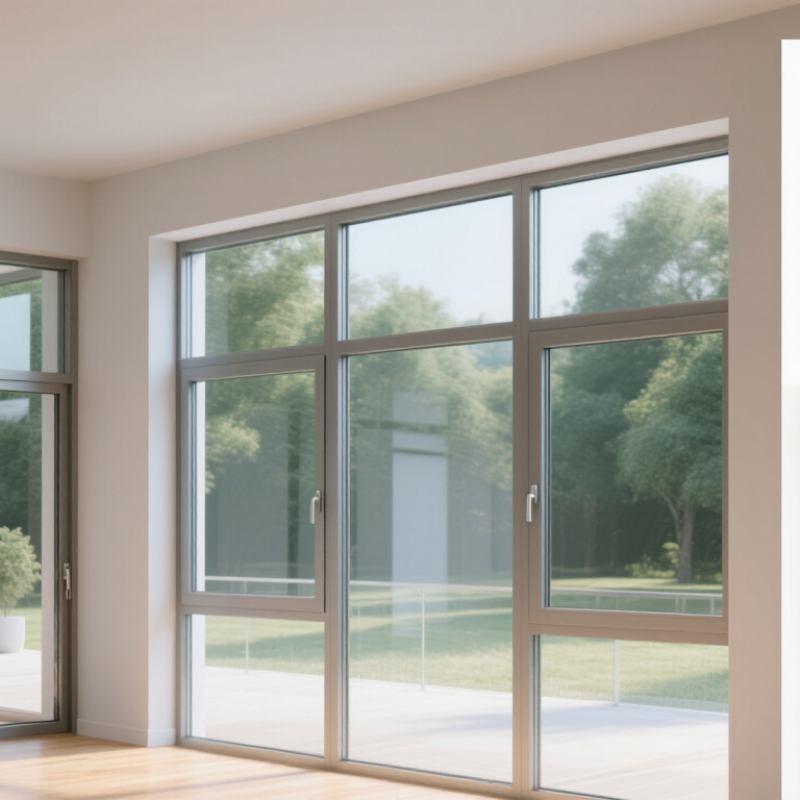
Why Are Aluminum Window Designs Trending in 2026?

What Defines Aluminum Window Design in 2026?

In 2026, aluminum window design is less about thin frames alone and more about balancing daylight, comfort, and practical performance. Slim profiles can make a room feel brighter, especially beside a deep window reveal or a view of trees. But a narrow frame is not automatically the best choice. Glass size, opening style, insulation, and installation details all affect how a window performs.

Thermal breaks help limit heat transfer through the frame, while well-specified glazing can reduce unwanted heat gain and outside noise. The right combination depends on the climate, building orientation, and how each room is used. Small details matter. A recessed track can create a cleaner look, but it may need more frequent cleaning where dust collects. Dark finishes can sharpen a façade, though they may show scratches more readily than lighter ones. Worth considering.

Designers are also treating windows as part of the interior, not just openings in a wall. A low sill can connect a kitchen to a garden; a carefully placed fixed pane can frame a particular view. Still, large glass areas can increase glare and affect privacy. That trade-off is easy to overlook in a rendering. Good design starts with actual site conditions, clear performance specifications, and careful installation—not appearance alone.

What Is Driving the Shift Toward Aluminum Frames?

Aluminum window designs are drawing interest in 2026 because the material combines strength with a clean, narrow profile. Slim frames can leave more room for glass, bringing daylight into kitchens, stairwells, and small living rooms. That extra glass can also make a garden or street view feel less interrupted. The change is not just visual. Aluminum resists warping and generally needs less upkeep than many painted wood frames.

Performance depends on the details. Aluminum conducts heat readily, so a well-designed thermal break matters, especially in regions with cold winters or hot summers. Good seals and suitable glazing also affect comfort, condensation, and energy use. Buyers may focus on the frame color and sightlines, then overlook installation quality. That is a real trade-off. Aluminum is recyclable, but the environmental benefit depends partly on recycled content and local recycling systems; it is not automatic.

Tips: Ask for the window’s thermal performance data, not just its frame material. Check how the frame meets the wall, and look closely at corner joints and seals. If you can, compare samples in morning and afternoon light. Dark finishes can look striking, but they may show dust or scratches more clearly. A little restraint helps.

Why Are Aluminum Window Designs Trending in 2026? What Is Driving the Shift Toward Aluminum Frames?

Trend Driver Relevant Data or Material Fact What It Means for Window Design
Slender frames and larger glazing areas Aluminum has a density of approximately 2.7 g/cm³ and is widely used where a strong, relatively lightweight metal frame is needed. Its structural properties can support narrow frame profiles and expansive glass designs, subject to engineering, span, and local building-code requirements.
Improved thermal performance Aluminum conducts heat readily; its thermal conductivity is approximately 205 W/(m·K) for pure aluminum near room temperature. Thermal breaks separate the interior and exterior portions of a frame with a less-conductive material. Thermally broken frames can reduce heat transfer through the frame. Whole-window performance still depends on the glass, frame design, seals, installation, and climate.
Recycling and material recovery Producing recycled aluminum typically requires about 5% of the energy needed to produce primary aluminum from ore—an energy saving of roughly 95%. Recycled content and end-of-life recovery can support circular-material goals. Actual recycled content varies by product and should be verified for each project.
Long service life and weather resistance Aluminum naturally forms a thin oxide layer when exposed to air. Surface finishes and coatings provide additional protection, but performance depends on exposure, finish, and maintenance. Durable finishes and appropriate detailing make aluminum suitable for many exterior applications, including projects that prioritize long-lasting, low-maintenance frames.
Contemporary finishes and customization Aluminum frames can be finished in a range of colors and surface treatments. Finish availability and durability depend on the coating system and applicable specifications. Designers can coordinate frame color and appearance with different architectural styles without changing the core frame material.
More demanding energy codes Window energy performance is evaluated for the complete product, commonly using metrics such as U-factor and solar heat-gain coefficient. Required performance varies by climate zone and jurisdiction. Aluminum is not automatically energy-efficient: selecting a suitable thermal break, glazing package, and certified whole-window rating is essential.
Suitability for varied building types Aluminum window systems are available in multiple configurations, including fixed, sliding, and hinged units; product sizes and tested performance differ by system. This range gives architects and builders flexibility to use a consistent frame material across different openings, provided each configuration meets project requirements.

Note: Material figures are approximate reference values. Window performance and durability depend on the specific alloy, frame system, glazing, finish, installation, and local conditions.

How Do Modern Aluminum Windows Balance Strength and Efficiency?

Modern aluminum windows balance strength and efficiency through more than a sturdy frame. Aluminum resists warping and can support broad glass panels with relatively narrow profiles. A thermal break—a non-conductive layer between the frame’s inner and outer sections—slows heat transfer. Paired with insulated glazing and well-fitted seals, it can help keep indoor temperatures steadier. That matters. A frame alone cannot do the whole job.

The details show up on a cold morning. A poorly designed frame may feel chilly, while condensation can appear near the glass or edges. Look for thermal-break construction, suitable glazing, and seals that close evenly. Installation matters just as much: small gaps around the frame can undermine careful product choices. There is a catch. Thicker glass and more complex frame systems can add cost, and slim profiles do not guarantee comfort. Even good specifications deserve a closer look against the home’s climate, orientation, and actual opening sizes. Aluminum is strong, but efficiency comes from the complete window—and from fitting it well.

Which Styles and Features Are Shaping Current Designs?

Current aluminum window designs favor slim frames, larger glass areas, and simple geometry. Narrow sightlines let daylight reach deeper into rooms while keeping the frame visually quiet. Black and dark bronze finishes remain popular, but softer gray and warm metallic tones can suit brick, stone, or timber façades. Not every home benefits from oversized glazing; orientation and summer sun matter. A west-facing room may need exterior shading to reduce afternoon heat and glare.

Performance features are shaping design choices alongside appearance. Thermal breaks separate interior and exterior frame surfaces, helping limit heat transfer. Low-emissivity glass and well-sealed openings can further support comfort, though results depend on installation and local climate. Slim sliding systems create broad openings to patios, while tilt-and-turn styles offer controlled ventilation and easier cleaning from indoors. Hardware matters. Ask how locks, drainage paths, and seals are tested, and check that replacement parts will remain accessible. One detail is often overlooked: very large panes can make a striking view, yet they may require stronger glazing and more careful handling. A balanced specification should fit the room, exposure, and everyday use.

What Practical Factors Should Buyers Consider?

Aluminum windows are trending in 2026 for their slim sightlines and durable frames, but appearance is only one buying factor. Check the full window’s thermal performance, not just the frame material. The U.S. Department of Energy estimates that heat gain and loss through windows account for 25%–30% of residential heating and cooling energy use. Ask for the National Fenestration Rating Council’s certified U-factor and solar heat gain coefficient (SHGC). Lower U-factors generally mean better insulation; SHGC should suit your climate and window orientation. A west-facing room may need stronger solar control. Small detail, big difference.

Thermal breaks help limit heat transfer through aluminum frames, while quality seals and careful installation reduce drafts and moisture entry. Ask how the product performs at the glass edge and frame—not only at the center of the glass. Check warranties, drainage details, hardware, and whether replacement parts will be available. In coastal or wet locations, confirm the finish is suitable for exposure and ask about maintenance. A narrow frame can look elegant in a showroom, yet feel less comfortable if the glass or installation is poorly specified. Compare written ratings for the same window size and configuration; sales claims alone are hard to verify.

Why Are Aluminum Window Designs Trending in 2026?

A practical factor buyers should consider is heat transfer through the frame material. Aluminum is strong and allows slim profiles, but it conducts heat far more readily than wood or PVC—so look for a well-designed thermal break and compare whole-window energy ratings.

Approximate bulk thermal conductivity at room temperature, in W/(m·K); values vary by alloy, product, and wood species. The vertical axis is logarithmic. These material values are not whole-window performance ratings: check the complete window’s U-factor and thermal-break design.

FAQS

Why are aluminum window frames popular?

Their slim profiles leave more room for glass and daylight. They also resist warping and usually need less upkeep than many painted wood frames. Looks are not everything.

What design features are common in current aluminum windows?

Narrow sightlines, large glass areas, and simple shapes are popular. Dark finishes can look striking, though dust and scratches may show more clearly.

What does a thermal break do?

It helps limit heat transfer through the frame. Ask about the full window’s performance, not just its material. Small detail, big difference.

How should I compare window energy performance?

Check the U-factor and solar heat gain coefficient for the same size and configuration. Lower U-factors generally indicate better insulation. Sales claims alone are hard to verify.

Do large glass areas suit every room?

Not always. A west-facing room may get strong afternoon sun, so exterior shading or suitable glazing can help reduce heat and glare.

What should I check during installation?

Look at the frame-to-wall connection, corner joints, and seals. Poor installation can invite drafts and moisture, even with a well-designed window. Easy to overlook.

Which window styles work for different everyday needs?

Sliding systems can create broad patio openings. Tilt-and-turn styles offer controlled ventilation and can be easier to clean from indoors. Check hardware and replacement-part access.

Is aluminum an environmentally friendly choice?

Aluminum is recyclable, but the benefit depends partly on recycled content and local recycling systems. I’d avoid treating recyclability as an automatic advantage.

What should buyers ask about durability and upkeep?

Ask whether the finish suits coastal or wet conditions, and check warranty coverage, drainage details, and available replacement parts. Compare samples in different daylight.

Conclusion

In 2026, aluminum window design is defined by slim, clean-lined frames, larger glass areas, and flexible styles that suit both contemporary and traditional homes. If you’re asking “what are the latest trends in aluminum window design 2026,” the answer includes minimalist profiles, expansive views, customizable finishes, and features that improve comfort and everyday usability. These trends reflect a growing preference for durable, low-maintenance materials that can support modern architectural designs without making rooms feel heavy or enclosed.

Advances in frame construction and thermal breaks help modern aluminum windows balance strength with energy efficiency, while thoughtful glazing and weather seals can further support indoor comfort. Buyers can consider options such as sliding, casement, and fixed designs, along with ventilation, security, and ease of operation. Before choosing, compare the window’s thermal performance, installation requirements, maintenance needs, and suitability for the local climate to find a design that works well over time.

Liam

Liam

Liam is a dedicated marketing professional with a profound expertise in the industry, where he excels at highlighting the unique advantages of our core products. With a keen understanding of market trends and consumer needs, Liam frequently updates our company’s professional blog, providing......