Choosing energy-efficient aluminum windows can significantly impact your home's energy consumption. According to Dr. Emily Hart, a renowned expert in sustainable architecture, "Energy-efficient windows are crucial for reducing heating and cooling costs." Understanding how to tell if an aluminum window is energy efficient can save homeowners both money and energy.
Look for specific features that indicate efficiency. Examine the frame design, insulation, and the type of glass used. Double or triple glazing is often more efficient. However, high energy ratings don’t always mean the lowest price. Sometimes, cheaper options may not perform as well in the long run, leading to more expenses.
Another important aspect is the installation. Even the best windows won't perform effectively if they are not installed correctly. Additionally, homeowners should be aware of changing technologies. Some newer products may offer benefits not found in older models. Thus, it is vital to stay informed while making such an important choice. These insights can guide you in selecting the best windows for your needs.
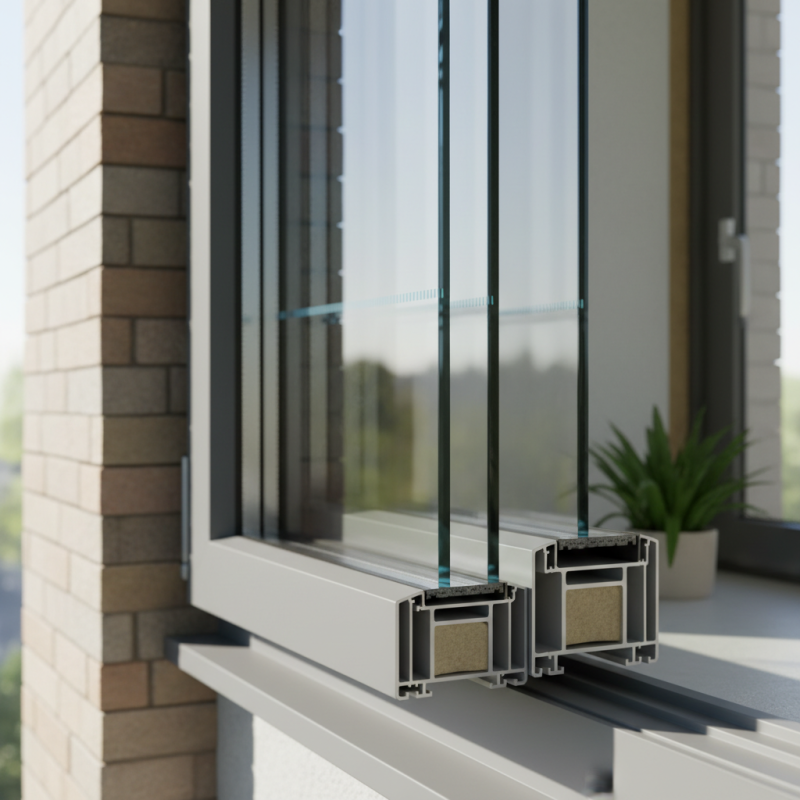
Understanding Energy Efficiency in Aluminum Windows
Understanding energy efficiency in aluminum windows is crucial for making informed choices. Well-designed aluminum windows can enhance a home’s insulation. Look for thermal breaks that improve energy retention. These are materials placed between the interior and exterior. They minimize heat transfer, keeping your home warm in winter and cool in summer.
Consider the window’s U-value. This measurement assesses energy loss. A lower U-value indicates better insulation. Windows with a U-value below 0.3 are often deemed energy efficient. Additionally, the glazing type matters. Double or triple-glazed windows trap air, reducing heat flow. They also help with noise reduction.
When evaluating aluminum windows, check for Energy Star ratings. These ratings identify products meeting high energy efficiency standards. Another tip involves inspecting the frame. Ensure it’s made from high-quality materials. A sturdy frame prevents air leakage, maintaining performance. Remember, investing in energy-efficient windows can lead to long-term savings on energy bills.
Key Features of Energy Efficient Aluminum Windows
Energy-efficient aluminum windows are essential for enhancing home comfort and reducing energy costs. These windows utilize advanced technologies and materials to limit heat transfer, keeping indoor temperatures stable. A study by the American Council for an Energy-Efficient Economy (ACEEE) states that high-performance windows can reduce heating costs by up to 15% annually.
Key features to look for include thermal breaks and low-emissivity (Low-E) coatings. A thermal break is an insulating material placed between the interior and exterior aluminum frames. This minimizes heat loss in winter and heat gain in summer. Low-E coatings reflect infrared light, helping to maintain a consistent temperature inside. Reports indicate that windows with Low-E coatings can improve energy efficiency by 30% to 50%.
When selecting aluminum windows, prioritize proper installation. Even the best windows won’t perform well if not installed correctly. Pay attention to air leakage and sealant quality. Ensure your chosen windows come with solid warranties. Even minor defects can affect performance and efficiency, leading to costly repairs down the line. Proper research and consideration are necessary to avoid common pitfalls.
Importance of Window Ratings and Certifications
When considering energy-efficient aluminum windows, understanding window ratings and certifications is essential. These ratings provide insight into the window's thermal performance. The National Fenestration Rating Council (NFRC) offers a trusted framework for evaluating energy efficiency. Their labels cover vital metrics like U-factor, Solar Heat Gain Coefficient (SHGC), and Visible Transmittance (VT). Windows with lower U-factors indicate better insulation. Research shows that homes with rated windows can save up to 40% on energy costs compared to those without.
Certifications, such as ENERGY STAR, are also critical. The U.S. Department of Energy reports that ENERGY STAR-rated products can reduce greenhouse gas emissions. Moreover, these windows often meet specific performance benchmarks, ensuring quality. A recent study highlighted that certified windows significantly lower heating and cooling energy use. Buyers should look for these labels when choosing aluminum windows. However, consumers should also reflect on their specific needs. Not all certified windows suit every climate. Understanding the local environment is crucial in selecting the right window type.
Comparing Different Glass Options for Efficiency
When selecting energy-efficient aluminum windows, the choice of glass plays a
crucial role.
Double glazing is a common option, providing better thermal insulation compared to single-pane windows.
According to the U.S. Department of Energy, double-glazed windows can reduce heat loss
by up to 50%. This translates to significant energy savings,
especially in climate zones with extreme temperatures.
Low-E glass coatings are another important consideration.
These coatings reflect infrared light while allowing visible light to enter.
A study by the Lawrence Berkeley National Laboratory found that using Low-E glass can improve energy efficiency
by as much as 30% to 50% compared to untreated glass.
This is particularly beneficial for maintaining comfortable indoor temperatures throughout the year.
However, not all glass options are created equal. The insulation performance can vary
depending on the spacer material between the panes. Research indicates that foam spacers
can enhance thermal performance over traditional metal spacers.
While these options exist, the higher upfront costs can deter some homeowners.
It's essential to weigh the long-term benefits against initial investments when choosing
glass types for energy-efficient aluminum windows.
Best Practices for Installation and Maintenance of Windows
Selecting and installing energy-efficient aluminum windows involves thoughtful practices. Proper installation is crucial for performance. Misalignment can lead to air leaks, reducing efficiency. Ensure the frame is level and plumb during installation. Sealant application is vital. Use high-quality weatherproof sealants. They protect against moisture and air infiltration.
Regular maintenance is equally important. Check seals and gaskets periodically for wear and tear. Replace damaged components quickly to maintain efficiency. Clean window surfaces with gentle, non-abrasive materials. This prevents scratches and extends the life of your windows.
Consider the local climate when choosing windows. For instance, harsher environments may require additional insulation. Reflecting on your specific needs ensures optimal performance. Engage professionals if unsure about installation techniques. Their expertise can prevent common pitfalls.
FAQS
: Energy efficiency in aluminum windows enhances insulation and can reduce energy costs.
Look for thermal breaks that minimize heat transfer.
The U-value measures energy loss; lower values indicate better insulation.
Double or triple-glazed windows trap air, decreasing heat flow and noise.
Check for Energy Star ratings to find products meeting high efficiency standards.
Ensure frames are level and use high-quality sealants to avoid leaks.
Checking seals and cleaning prevents efficiency loss and prolongs window life.
Harsh climates may need extra insulation for optimal performance.
Engage professionals for installation to prevent misalignment and air leaks.
Use gentle, non-abrasive materials to avoid scratches and maintain appearance.
Conclusion
When considering how to tell if an aluminum window is energy efficient, it's essential to understand the key features that contribute to energy efficiency in aluminum windows. These include thermal breaks, low-emissivity (low-E) coatings, and argon gas fills, which all help reduce heat transfer and enhance insulation. Window ratings and certifications also play a crucial role, providing insight into a window's performance and energy efficiency rating.
Additionally, selecting the right glass options, such as double or triple glazing, can significantly impact a window's overall effectiveness. Finally, best practices for installation and maintenance should not be overlooked, as improper installation can lead to air leaks and diminished efficiency. By keeping these factors in mind, homeowners can make informed decisions and ensure they are investing in truly energy-efficient aluminum windows.
 Angulo Window
