Angulo Window
Measuring for replacement aluminum windows is a critical process that can significantly impact your energy efficiency and aesthetics of your home. According to a report by the Window and Door Manufacturers Association (WDMA), proper measurements account for up to 30% of installation success. This highlights the importance of accuracy in the measurement process. Expert window installer John Bennett states, “The precision in measuring for replacement aluminum windows can save homeowners time and money.”
When considering how to measure for replacement aluminum windows, multiple factors come into play. The complexity of different window styles, as well as local building codes, can make this task challenging. Incorrect measurements can lead to gaps, drafts, or even structural issues. Attention to detail is essential. Remember, the right tools and a methodical approach can ensure a more favorable outcome.
Although many homeowners may find this process daunting, taking the time to do it right can be rewarding. Learning to measure accurately not only enhances the quality of the installation but also contributes to the longevity of your investment. Mistakes can happen but understanding the common pitfalls makes you more prepared for a successful project.
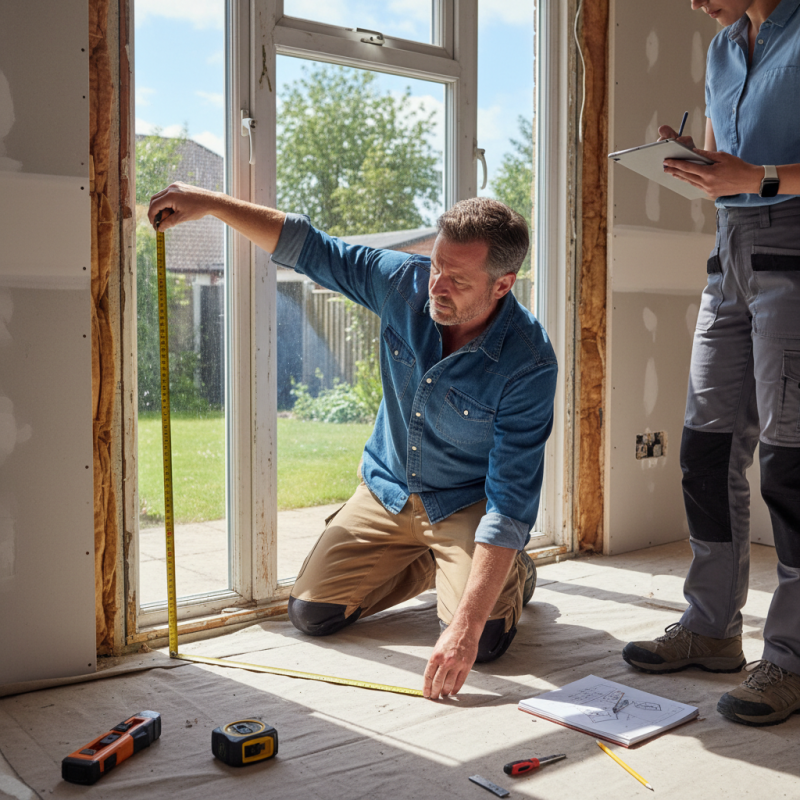
When considering replacement aluminum windows, it is crucial to understand the various types available. Aluminum windows can be categorized into several styles, such as casement, sliding, and fixed windows. Each style offers unique benefits. For instance, casement windows provide excellent ventilation, while sliding windows are perfect for limited spaces.
A 2021 industry report by the American Architectural Manufacturers Association indicated that aluminum windows account for nearly 20% of the residential market. The durability and low maintenance of aluminum make them a popular choice among homeowners. Moreover, advancements in thermal break technology have significantly improved insulation properties, competing closely with vinyl options.
However, not all aluminum windows are created equal. Variations in quality can lead to issues like condensation and thermal inefficiency. Homeowners should be aware of these inconsistencies and choose products that meet relevant energy efficiency guidelines. Reviewing independent testing certifications adds credibility to the chosen windows, ensuring your investment pays off in the long run.
This chart illustrates the popularity of various types of aluminum windows among homeowners when considering replacement options. The data reflects preferences based on factors like energy efficiency, aesthetics, and cost-effectiveness.
Accurate measurements are essential for successful window replacements. To achieve this, certain tools are indispensable for any homeowner. A reliable tape measure is vital. Quality tape ensures precision, reducing errors significantly. Professionals often recommend a metal tape measure, as it provides stability and accuracy.
A level is another essential tool. It checks that your new windows will sit straight. This step prevents future structural problems. Additionally, a square helps verify corner angles. Poor angles lead to installation issues. Many overlook this step, risking costly adjustments.
It can be beneficial to have a helper. Two people can reduce margin for error. Preparing a notepad to jot down measurements is wise. Industry studies show that over 30% of DIY window projects fail due to incorrect sizing. Taking your time to measure can save frustration later. Using the right tools enhances accuracy, aiding successful installations.
Measuring for replacement aluminum windows requires precision. Begin by gathering your tools: a tape measure, pen, and paper. Follow these steps to ensure the best fit for your frames.
Start by measuring the width of the existing window frame at the top, middle, and bottom. Write down the smallest measurement. This ensures the new window has a snug fit. Next, measure the height from the top to the bottom, again taking three measurements: left, middle, and right. Note the smallest height as well. This method avoids issues later.
Tips: Always measure in inches for accuracy. If you have an irregularly shaped window, like a bay window, take extra time to measure each segment. It may seem tedious, but it's worth it. After measuring, double-check your numbers. Mistakes happen easily, and a second look can save time.
Also, observe the condition of your existing frames. Any warping can affect how the new window fits. If the frames are significantly damaged, consider addressing them before installation. Your diligence will pay off in better energy efficiency and aesthetics.
| Measurement Parameter | Description | Recommended Method | Units |
|---|---|---|---|
| Width | Measure the width of the window frame at its widest point. | Use a tape measure for accuracy. | Inches |
| Height | Measure the height of the window frame from the top to the bottom. | Ensure the tape measure is straight. | Inches |
| Depth | Measure the depth of the window frame from front to back. | Check from multiple points for consistency. | Inches |
| Diagonal Measurements | Measure diagonally from corner to corner. | Record both diagonal measurements to ensure squareness. | Inches |
| Additional Features | Identify any obstructions or additional features (like sills or trims). | Take photos for reference. | N/A |
Measuring for window height and width is crucial for successful replacement. Accurate measurements ensure your new aluminum windows fit perfectly, enhancing energy efficiency and aesthetics. A report from the National Association of Home Builders states that improper measurements can lead to installation failures, increasing costs by up to 30%.
To measure accurately, begin from the inside of your window frame. Use a tape measure to check the height at three points: left, center, and right. This triangulation accounts for any inconsistencies in your wall framing. Next, measure the width in the same manner. Don't forget to consider the depth of the frame as well. Sometimes, installers overlook depth, leading to incompatible window styles.
It's essential to record each measurement carefully. A small error can cause significant issues later. Experts recommend cross-checking measurements with a second person. This simple step can catch mistakes before they lead to expensive reorders. In practice, homeowners often underestimate how critical precise dimensions are. Involving professionals or consulting guides can alleviate these common pitfalls.
When measuring for replacement aluminum windows, accuracy is crucial. Many homeowners make common mistakes that can lead to costly errors. One frequent issue is measuring only the existing window frame instead of the entire opening. According to industry reports, accurate measurements can prevent up to 30% of common window installation problems.
Another pitfall involves assuming that all corners are perfectly square. Many older homes are not built with perfect angles. Failing to account for this may lead to ordering windows that do not fit correctly. It’s essential to measure both the width and height in three places: the top, middle, and bottom. This ensures you capture any inconsistencies.
Tips: Always round down your measurements. It helps ensure a snug fit. Double-check all figures before placing an order. Having someone assist while you measure can provide an extra set of eyes to catch mistakes. Ultimately, precision in measuring translates to a better-fitting window, enhancing energy efficiency and aesthetics.
: Accurate measurements ensure new windows fit properly, improving energy efficiency and aesthetics.
Essential tools include a reliable tape measure, a level, and a square for accurate measurements.
Errors can lead to improper fitting, increasing costs and causing installation failures, potentially by 30%.
Measure from the inside of the frame at three points: left, center, and right.
Measure the entire opening, not just the existing frame, and check for square corners.
A helper can catch mistakes and reduce the chances of error during measurements.
Use a notepad to jot down each measurement carefully to prevent future confusion.
Don’t overlook depth as it can affect the compatibility of window styles.
Always round down to ensure a snug fit when ordering new windows.
Rushing can lead to mistakes, ultimately resulting in costly reorders and installation headaches.
When considering how to measure for replacement aluminum windows, it's important to first understand the different types of aluminum windows available for replacement. Having the essential tools ready, such as a tape measure, level, and a notepad, ensures accuracy during the measuring process. Following a step-by-step guide to measure the frame size of existing windows helps in determining the correct dimensions needed for a perfect fit.
Precision is key when measuring the height and width of windows, so paying close attention to detail can prevent common mistakes. This process is crucial to achieving a seamless installation of replacement windows and enhancing the overall aesthetics and energy efficiency of your home. By knowing how to measure for replacement aluminum windows effectively, you can ensure that the new windows will meet your needs and improve your living space.
