Angulo Window
Weatherstripping on aluminum windows plays a crucial role in maintaining energy efficiency in homes. According to the U.S. Department of Energy, air leaks can account for 20% of heating and cooling costs. Thus, proper sealing is essential. Homeowners often overlook the need to replace weatherstripping, yet it is critical for comfort and savings.
Understanding how to replace the weatherstripping on aluminum windows empowers homeowners. Many struggle with DIY maintenance, often resulting in inadequate sealing. It is estimated that over 30% of homeowners experience drafts due to worn weatherstripping. This issue not only affects comfort but also increases energy bills.
Regular inspection and timely replacement can improve indoor climate control. When weatherstripping fails, energy efficiency plummets, leading to higher costs. It’s imperative to act before a minor issue becomes a major expense. Investing in quality weatherstripping can yield significant returns. Addressing this readily is part of responsible home maintenance, ensuring a comfortable living space year-round.
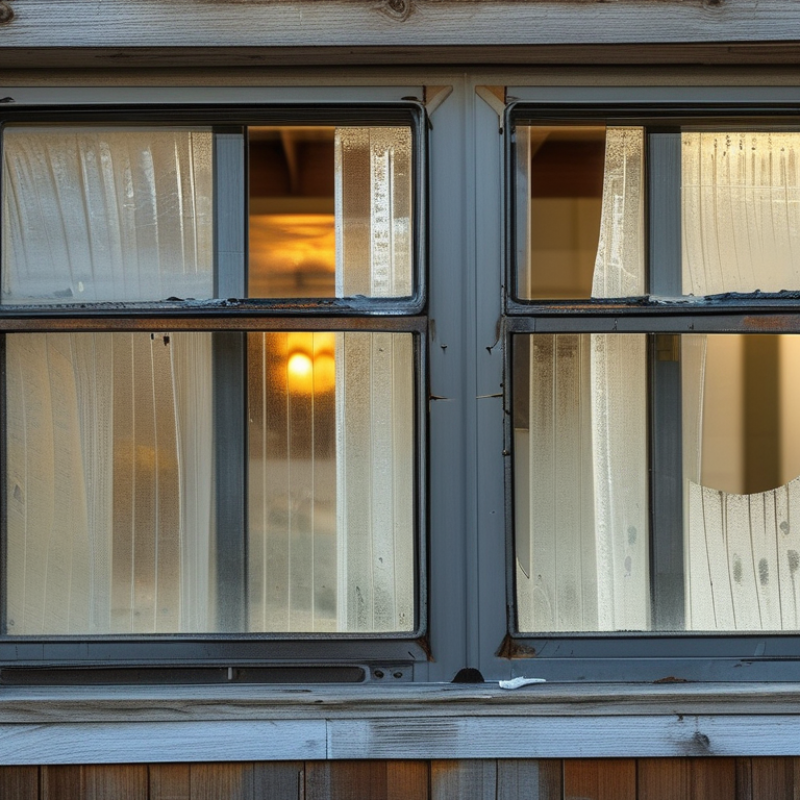
Weatherstripping plays a crucial role in enhancing the energy efficiency of aluminum windows. Proper installation creates a tight seal against drafts, preventing unwanted air leaks. This is especially important in areas with extreme weather changes. A well-sealed window reduces heating and cooling costs, offering significant savings over time.
Many homeowners overlook the condition of weatherstripping. Age and wear can lead to gaps that compromise insulation. Regularly inspecting and replacing this component can improve comfort levels indoors. It is a simple task that doesn't require professional help but makes a huge difference.
Incorporating new weatherstripping can also enhance indoor air quality. Stale air is less likely to seep in, reducing allergens. However, ensuring fit and material choice is crucial. Poorly chosen weatherstripping can lead to deterioration and ineffective sealing. Thoughtful evaluation of the options available can lead to better choices and long-term benefits.
Proper weatherstripping on aluminum windows plays a crucial role in indoor air quality. Gaps allow outside dust, pollen, and pollutants to enter. This can lead to respiratory issues and allergies. Good weatherstripping minimizes these risks by creating a tighter seal.
Comfort levels inside a home are also affected by weatherstripping. Poorly sealed windows let in cold drafts during winter and excessive heat in summer. This not only makes your home uncomfortable but also increases energy bills. Keeping the indoor environment stable is essential for overall wellbeing.
Weatherstripping is often overlooked. Many homeowners might not notice drafts until they become a significant issue. Regular checks and replacements ensure maximum efficiency. Investing time in this maintenance task can lead to long-term health benefits and a more comfortable living space. It's worth reassessing your windows periodically, even if they seem fine.
| Aspect | Importance | Impact on Indoor Air Quality | Comfort Level |
|---|---|---|---|
| Energy Efficiency | Prevents heat loss | Reduce energy consumption | Enhances thermal comfort |
| Air Leakage | Minimizes drafts | Improves indoor air quality | Increases occupant comfort |
| Moisture Control | Reduces condensation | Prevents mold growth | Promotes healthy indoor environment |
| Noise Reduction | Enhances sound insulation | Blocks outdoor pollutants | Creates peaceful living spaces |
| Cost Savings | Reduces energy bills | Less frequent HVAC maintenance | Overall comfort improvements |
Replacing weatherstripping on aluminum windows can lead to significant cost savings. When the weatherstripping wears out, it allows drafts to enter your home. This can make your heating and cooling systems work harder, increasing energy bills. Furthermore, damaged weatherstripping can lead to moisture buildup, which may cause costly water damage and mold growth.
By investing in new weatherstripping, homeowners can enhance energy efficiency. A properly sealed window keeps indoor air in, reducing the need for constant temperature adjustment. Lower energy consumption translates to lower utility bills. Regular maintenance and timely replacements could save money in the long run, both in energy costs and potential repairs.
It's crucial to monitor the condition of weatherstripping regularly. Small signs, like gaps or tears, can lead to larger issues if ignored. Sometimes, homeowners overlook this simple task, thinking it's not worth the time or expense. However, those minor inconveniences can add up. Addressing these problems early on can prevent bigger financial burdens later.
Weatherstripping on aluminum windows plays a crucial role in energy efficiency. Many homeowners overlook its condition, leading to higher energy bills and discomfort. Common indicators signal the need for replacement. If you feel drafts near the windows, that's a direct sign of degraded weatherstripping. According to the U.S. Department of Energy, air leaks can increase heating and cooling costs by up to 30%.
Visible wear and tear is another key sign. Cracks, tears, or missing sections compromise effectiveness. It’s important to inspect weatherstripping regularly. A simple visual check can reveal issues before they escalate. Home Energy Saver reports that properly sealed windows enhance comfort and cut energy consumption. Don't ignore these signs, as inadequate sealing can lead to moisture problems.
Inconsistent temperatures near aluminum windows can also suggest weatherstrip failure. If rooms feel chillier or warmer than others, air leakage may be to blame. This can negatively impact overall home comfort and even lead to mold growth. Addressing weatherstripping issues promptly is essential for maintaining a healthy indoor environment.
Weatherstripping plays a crucial role in the performance of aluminum windows. It helps seal gaps that can lead to air leaks, improving energy efficiency. According to a report from the U.S. Department of Energy, well-sealed windows can reduce heating and cooling costs by up to 15%. This presents significant savings for homeowners.
Various materials are used for weatherstripping, each with different performance characteristics. For instance, foam tape is a popular choice for its ease of installation and affordability. However, it may wear out faster than other options. Vinyl and rubber are more durable, offering long-lasting seals that can withstand weather changes better than foam. Understanding these differences is essential for making informed decisions.
Tip: Regularly inspect your weatherstripping for gaps or cracks. Replace worn-out materials to maintain your windows’ efficiency.
In some cases, homeowners find that weatherstripping fails prematurely due to improper installation. This highlights the need for attention to detail during the application process. Ensuring tight seals can make a noticeable impact on comfort and utility bills.
: Worn weatherstripping allows drafts, making heating and cooling systems less efficient.
New weatherstripping enhances energy efficiency, leading to lower utility bills over time.
Look for gaps, tears, or visible wear. Small issues can lead to larger problems.
Regular inspection prevents small issues from becoming significant financial burdens.
Foam tape is affordable but wears out quickly. Vinyl and rubber are more durable.
Yes, improper installation can cause premature failure. Attention to detail is crucial.
Well-sealed windows can lower heating and cooling expenses by up to 15%.
Yes, replacing it can save money on energy bills and prevent costly repairs.
Regular checks are important, ideally done during seasonal maintenance.
Ignoring it can lead to drafts, higher energy costs, and potential water damage.
Replacing weatherstripping on aluminum windows is crucial for enhancing energy efficiency, as it helps to prevent drafts and reduce energy loss. Improved insulation leads to lower heating and cooling costs, providing substantial cost savings over time. Furthermore, effective weatherstripping significantly impacts indoor air quality and comfort levels by preventing the infiltration of outside pollutants and maintaining a stable indoor climate.
Common signs that indicate the need for weatherstripping replacement include noticeable drafts, increased energy bills, and visible wear or damage to the existing material. Understanding the different weatherstripping materials and their performance is essential in making an informed choice. Homeowners looking to improve their windows' efficiency should learn how to replace the weatherstripping on aluminum windows, ensuring a tighter seal that can enhance both comfort and air quality in their living spaces.