 Angulo Window
Angulo Window
Angulo Window
Aluminum doors are popular for their durability and modern appeal. However, they can develop issues over time, especially in windy conditions. One common problem is a whistling sound. This leads many homeowners to ask, "why is my aluminum door making a whistling sound in the wind?" According to a recent report by the National Association of Home Builders, nearly 30% of homeowners face similar issues with doors and windows.
The sound can indicate a few underlying problems. Gaps between the door and frame might have developed. This not only causes noise but also might affect energy efficiency. An insulated door can save up to 20% on energy bills, highlights the U.S. Department of Energy. Ignoring these sounds can worsen issues, leading to more extensive repairs.
Regular maintenance is essential, and recognizing the signs early can be beneficial. Checking the door's seals and alignment can prevent bigger problems down the line. Many homeowners overlook this, yet addressing simple issues can enhance comfort significantly. Taking action now can save trouble later.
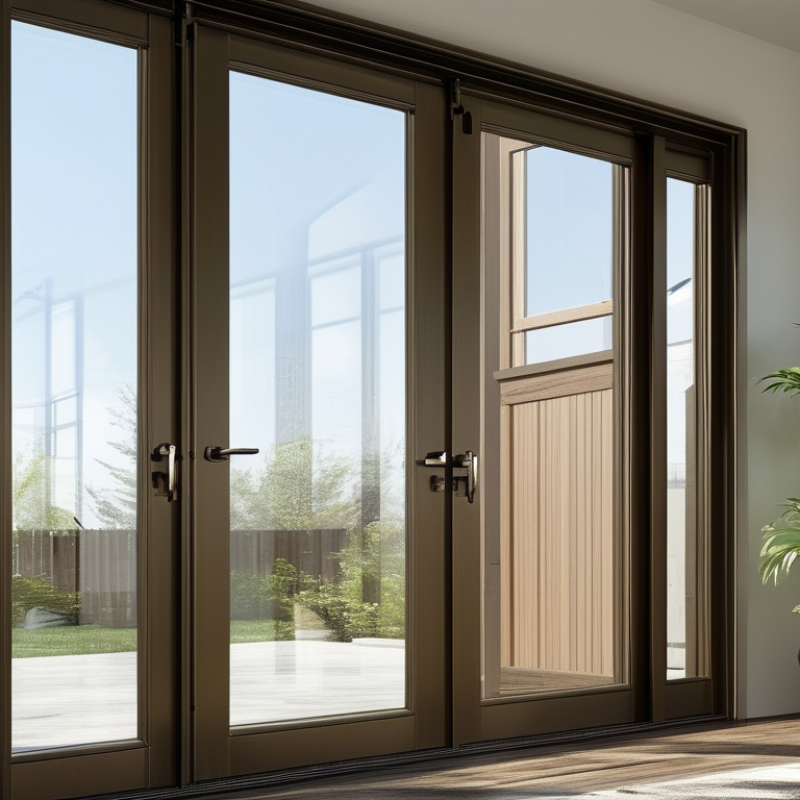
Whistling sounds from aluminum doors can be quite bothersome. Understanding the causes is essential for fixing the problem effectively. One primary cause is poor sealing. Over time, weatherstripping can wear out or become damaged. Gaps may form, allowing wind to whistle through. Inspect the edges of your door frequently to look for any visible wear.
Another reason is the door's fit within the frame. If the door is misaligned, it might not close tightly. This misalignment can result in vibrations and unwanted noise when the wind blows. Regularly checking adjustments can prevent these sounds. Also, consider the door's material. Aluminum is lightweight, and its design can exacerbate sound issues. Adding insulation or acoustic seals may help reduce noise significantly.
Finding the right solution requires some trial and error. Not every fix will work for everyone. It’s also important to recognize the limits of personal DIY skills. Sometimes, seeking professional advice can lead to better results. Reflect on your approach to determine what strategies remain effective for maintaining quiet in your home.
| Cause of Whistling | Description | Possible Solution |
|---|---|---|
| Improper Sealing | Gaps between the door frame and the door can allow wind to enter. | Check and replace weather stripping if worn or damaged. |
| Loose Hinges | Loose hinges can cause the door to be misaligned, leading to gaps. | Tighten the screws on the hinges and align the door properly. |
| Door Misalignment | A misaligned door may not fit snugly against the frame. | Adjust the position of the door or the frame as necessary. |
| Damaged Frame | A dented or damaged door frame can cause gaps. | Repair or replace the damaged sections of the frame. |
| Wind Pressure | Strong winds can create pressure that causes whistling. | Consider adding wind stops or adjusting door closure mechanisms. |
: Proper weatherstripping can reduce noise levels by up to 50%. It's especially beneficial in windy areas.
Good weatherstripping seals gaps, improving insulation and potentially saving around 20% on energy bills.
Foam, vinyl, and rubber are popular choices as they conform well to door shapes and enhance sound insulation.
Worn weatherstripping can compromise insulation. Regular checks help maintain effectiveness and prevent sound leaks.
Door sweeps block drafts and sound, providing an additional layer of protection against noise infiltration.
Choose high-quality materials with good tensile strength. This helps prevent warping and maintains sound insulation.
Properly sealed doors reduce wind infiltration by up to 50%, improving noise reduction and energy efficiency.
No, not all options offer the same sound insulation. Quality materials are key for better performance.
Higher R-value doors significantly reduce noise transmission, improving comfort and tranquility in your space.
Yes, while it may seem like a splurge, quality materials often provide a worthwhile return in effectiveness.
If you're wondering "why is my aluminum door making a whistling sound in the wind," it's essential to examine the underlying causes. Whistling noises can often stem from inadequate weatherstripping, which fails to seal gaps effectively, allowing wind to pass through. Proper installation techniques are crucial in minimizing these sounds. Ensuring that your aluminum door is installed correctly can prevent air leaks and enhance sound insulation.
Moreover, practicing regular maintenance is vital for the longevity of your aluminum door. Routine checks and repairs can keep the door in optimal condition, reducing noise from the wind. Lastly, investing in high-quality materials can significantly improve your door's performance against wind and noise. By addressing these factors, you can effectively tackle the issue of whistling sounds and enhance your door's overall functionality.
