Angulo Window Angulo Window

How to Fix a Sticking Sliding Aluminum Door At Home?

Time:2026-05-19 Author:Isabella
0%

Dealing with a sticking sliding aluminum door can be frustrating. Many homeowners face this issue, often wondering how to adjust a sliding aluminum door that is sticking. John Smith, a seasoned expert in home repairs, advises: "A little maintenance can go a long way in keeping your sliding doors functional."

The process may seem daunting, but with the right approach, it becomes manageable. Common culprits behind a sticking door include misaligned tracks, dirt buildup, or damaged rollers. However, fixing these can often be done without professional help. Remember that maintaining your door can prevent future headaches.

Understanding how to adjust a sliding aluminum door that is sticking can save time and money. While the fix might be straightforward, it requires careful observation and patience. A small mistake can complicate the repair process. Regular checks and adjustments ensure smooth operation for years to come.
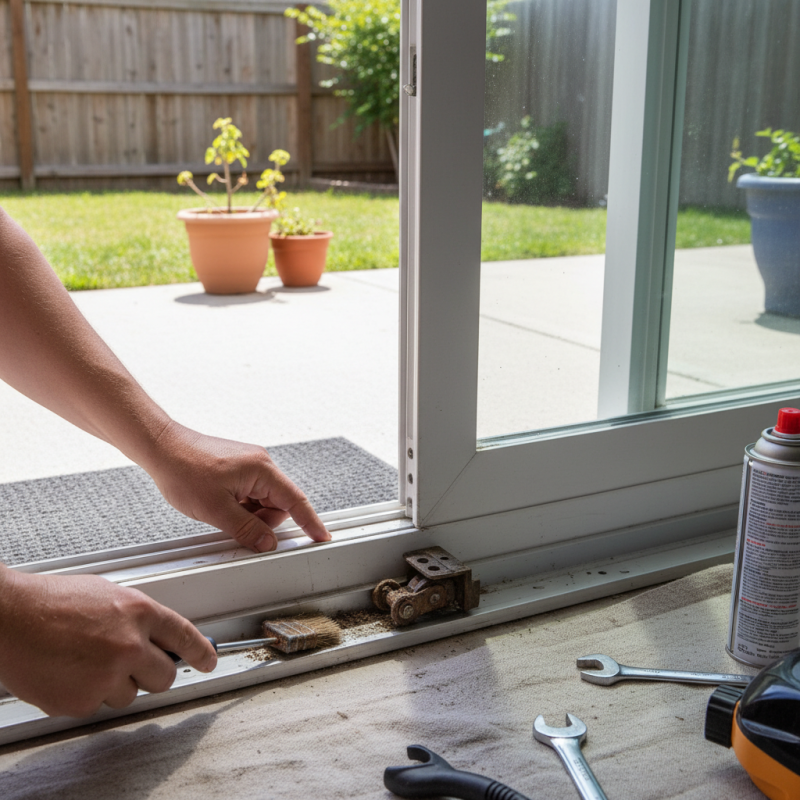
How to Fix a Sticking Sliding Aluminum Door At Home?

Identifying Common Causes of Sticking Sliding Aluminum Doors

Sliding aluminum doors can be convenient, but they often develop issues that cause them to stick. Understanding the common reasons for this problem is the first step in addressing it. One frequent cause is dirt accumulation. Over time, debris can gather in the track, preventing the door from sliding smoothly. Regular cleaning is essential. Use a vacuum to remove loose debris, then wipe the track with a damp cloth.

Another significant factor is misalignment. Temperature changes can cause the frame to shift, leading to misalignment of the door. You might notice gaps or pressure when you try to open or close it. Regularly checking the door’s alignment can save you from future headaches. Adjust the rollers or hinges as needed, but be cautious not to force anything. Pulling too hard could make the situation worse.

Lubrication is often overlooked. Applying a suitable lubricant to the track can ease the opening and closing process. However, too much lubricant can attract more dirt. Striking the right balance is crucial for maintaining functionality. Watching for signs of wear, like cracks or bent tracks, is also essential. Noticing these details can help you take action before minor issues escalate.

Essential Tools You Will Need for the Repair Process

When dealing with a sticking sliding aluminum door, having the right tools is essential for a smooth repair process. According to industry reports, nearly 30% of homeowners experience issues with sliding doors. The first tool you will need is a screw driver set. This will help you access the door’s internal mechanisms. A flathead screwdriver can pry open stubborn parts and a Phillips screwdriver is perfect for removing screws.

Another must-have tool is a vacuum or a broom. Dirt and debris often accumulate in the sliding track, causing it to stick. In fact, 60% of repair services cite debris as a primary cause of sliding door malfunction. Regular cleaning can prevent these issues. A level is also crucial. Checking the door’s alignment can help with adjustments that allow it to slide freely.

Having a lubricant like silicone spray on hand can be a game-changer. It creates an efficient barrier that reduces friction. Many homeowners overlook this step, leading to recurring issues. You might want to double-check your lubricant application technique. Applying too much could trap dirt, making matters worse. This process is not without its challenges and may require some trial and error. Remember, taking the time to gather the right tools ensures an effective repair and enhances door longevity.

Step-by-Step Guide to Cleaning and Lubricating the Door Track

Cleaning and lubricating a sliding aluminum door track is essential for smooth operation. Over time, dirt and debris can accumulate, causing the door to stick. Start by clearing the track of any visible obstructions. A small brush or vacuum can help remove dust and grime. Pay attention to the corners, where dirt tends to hide. This step is crucial for preparing the door for lubrication.

Once the track is clean, apply a suitable lubricant. Use a spray lubricant for an even application. Ensure to cover all areas of the track. Avoid over-lubricating, as excess product can attract more dirt. After applying, open and close the door several times to distribute the lubricant evenly. This will help identify any remaining sticking points. Inspect and re-clean if necessary, as it’s easy to miss spots during the initial pass.

Regular maintenance is helpful. Schedule routine cleanings to keep the track in optimal condition. A well-maintained door track helps avoid larger issues down the line. Remember, a little effort goes a long way in ensuring your sliding door operates smoothly. Don't underestimate the importance of a well-lubricated track; it truly makes a difference.

Adjusting the Rollers and Frame for Optimal Door Movement

Sliding aluminum doors are a practical choice for many homes, but they can sometimes stick. Adjusting the rollers and frame can dramatically improve their movement. Begin by inspecting the door to identify if the rollers are misaligned or need tightening. Use a screwdriver to adjust the height of each roller. Ensure they roll smoothly in the track. Occasionally, dirt and debris may accumulate, causing obstructions. Cleaning the tracks can often solve this issue.

Next, examine the frame itself. Check if the door is square within the frame. If not, it may need realignment. You can loosen the screws on the frame and gently shift it into place. Keep in mind that ideal adjustments require patience. There’s often a balance between tightness and ease of movement. Test the door after each adjustment. It may take several tries to find the optimal setting.

Finally, regularly inspect and maintain your sliding door to prevent future sticking. Simple tasks like lubrication and cleaning the tracks can go a long way. Consider using a silicone-based lubricant for best results. Be aware that wear and tear can lead to more significant frame adjustments. Taking proactive measures now can save you frustration later on.

Adjustment Frequency for Sliding Aluminum Door Issues

Preventive Measures to Keep Your Aluminum Door Sliding Smoothly

To keep your sliding aluminum door functioning smoothly, regular maintenance is essential. According to industry reports, about 70% of sliding door issues stem from dirt buildup and lack of lubrication. Cleaning tracks and rollers may seem like a small task, but it can significantly improve the door's performance. Use a soft brush and a damp cloth to remove debris effectively.


Lubrication is another crucial aspect. Silicone-based sprays are often recommended to reduce friction and ensure the door glides effortlessly. Many homeowners neglect this step, assuming it isn’t necessary, but studies indicate that lubricated doors operate more reliably. Aim to lubricate your door every six months for optimal results.


Additionally, consider the role of temperature and humidity. Aluminum can expand and contract, affecting the door's movement. Installing weather stripping can help create a snug fit. This not only enhances energy efficiency but also minimizes the risk of sticking during extreme weather conditions. Observing these preventive measures can greatly enhance the longevity of your sliding aluminum door.

FAQS

: How do I clean the sliding door track?

: Start by removing visible obstructions. Use a small brush or vacuum to clear dust and grime.

What should I do after cleaning the track?

Apply a suitable lubricant evenly across the track, avoiding excess that can attract dirt.

How can I tell if the door is sticking due to lubrication?

Open and close the door several times after lubrication. Look for any remaining sticking points.

Why is maintaining the door track important?

Regular maintenance prevents dirt accumulation and ensures smooth operation, avoiding bigger problems later.

How do I adjust the door rollers?

Inspect the rollers for alignment and use a screwdriver to adjust their height. They should roll smoothly.

What if the door is not square within the frame?

Loosen the frame screws and gently shift the frame into place for proper alignment.

Can I achieve optimal movement immediately?

It may take several adjustments to find the right balance between tightness and ease of movement.

How often should I check my sliding door?

Regular inspections help catch issues early. Simple lubrication and cleaning should be routine.

Is over-lubrication a problem?

Yes, using too much lubricant can lead to dirt buildup. Apply just enough for a smooth operation.

What kind of lubricant is best?

A silicone-based lubricant is often preferred for optimal results on sliding door tracks.

Conclusion

If you're dealing with a sticking sliding aluminum door, it’s important to first identify the common causes of the issue. Misalignment, dirt buildup, and inadequate lubrication can all impede smooth operation. To effectively tackle this problem, you will need some essential tools like a screwdriver, lubricant, and a water-resistant cleaner.

A step-by-step guide can help you clean and lubricate the door track, ensuring it functions properly. Additionally, learning how to adjust a sliding aluminum door that is sticking involves fine-tuning the rollers and frame for optimal movement. To prevent these issues in the future, regular maintenance and cleaning will keep your aluminum door sliding smoothly and enhance its longevity.

Isabella

Isabella

Isabella is a dedicated marketing professional with a sharp focus on driving brand growth and engagement through strategic content creation. With an extensive background in digital marketing, she combines her passion for storytelling with her keen understanding of industry trends to deliver......