Angulo Window
When exploring the surface treatments of aluminum, a common question arises: what is the difference between anodized and powder-coated aluminum? Industry expert John Smith, a materials scientist, emphasizes, "Understanding these differences is crucial for making informed choices in manufacturing." Anodizing transforms the aluminum surface through an electrochemical process, creating a durable oxide layer. This treatment offers corrosion resistance and enhances aesthetic appeal.
In contrast, powder coating applies a colored powder that is then baked onto the surface. This method not only adds color but also provides a thicker, more protective layer. The choice between these two finishes can impact longevity and maintenance. Anodized finishes may wear over time, while powder coating can chip if exposed to harsh conditions.
Ultimately, knowing how to differentiate between these two processes helps in selecting the right material for specific applications. Both methods have unique benefits and potential downsides. Testing and observation can reveal more about their performance in real-world scenarios. Each project requires careful consideration of these factors to achieve the desired results.
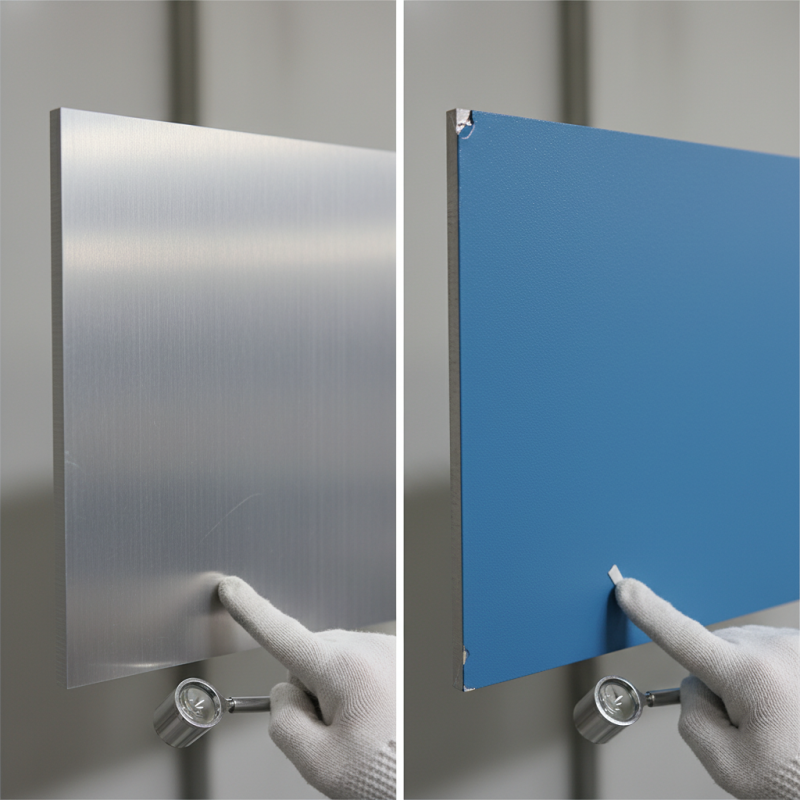
Anodizing is a key process for aluminum. It enhances durability and corrosion resistance. The process creates a protective oxide layer. This layer can be colored, offering aesthetic flexibility. A study from the Aluminum Association shows that anodized aluminum can withstand harsh environments better than untreated materials. These properties make it popular in architecture and automotive applications.
Anodizing, however, has its limits. While it protects against corrosion, it can be less effective in extreme exposure. For instance, saltwater environments may challenge anodized surfaces over time. Companies should weigh these factors carefully when choosing aluminum finishes.
Tips: Test surfaces before large-scale application. Also, consider the environment where the aluminum will be used. Proper maintenance can prolong the life of anodized surfaces. Regular cleaning helps maintain appearance and functionality, ensuring lasting performance.
Powder coating has emerged as a preferred method for finishing aluminum surfaces. This process involves applying a dry powder that is electrostatically charged. The charged particles cling to the aluminum, ensuring an even coat. After application, the piece is heated, causing the powder to melt and form a durable finish. According to a report by the Powder Coating Institute, this method results in a more uniform coating compared to traditional painting techniques.
The benefits of powder coating are considerable. Not only is it environmentally friendly, but it also provides a superior finish that is resistant to chipping, scratching, and fading. A study from the American Coatings Association highlights that approximately 70% of powder-coated products retain their aesthetic appeal for years. This durability means less frequent maintenance and replacement. However, challenges exist. Proper surface preparation is crucial, and missteps can lead to uneven textures or adhesion issues. Even experienced professionals sometimes overlook this step, leading to subpar results.
Additionally, while the initial costs may be higher compared to other methods, the long-term savings in maintenance can be significant. Research indicates that businesses often see a 30% reduction in maintenance costs when switching to powder-coated finishes. Yet, choosing the right color and finish requires careful consideration. Each choice impacts durability and appearance, making it essential for manufacturers and consumers to understand the nuances of the process.
When trying to distinguish between anodized and powder-coated aluminum, visual and textural cues are key. Anodized aluminum has a unique appearance, often exhibiting a translucent finish. This finish allows the underlying metal to be seen, giving it a metallic sheen. In contrast, powder-coated aluminum displays a thicker, opaque layer of color that can vary widely. According to a report by the Aluminum Association, anodizing increases the thickness of the aluminum oxide layer, often improving durability. The gloss or matte finish of powder coating, however, provides a uniform color that can attractively change depending on the lighting.
Texturally, anodized aluminum feels smooth and has a slightly porous surface. This is due to the electrochemical process that creates the anodic layer. Users often report a cool sensation when touching anodized metal. In contrast, powder-coated surfaces are generally bulkier and may feel rougher. The powder coating process creates a thicker layer, often leading to more wear resistance but potentially disguising the aluminum's inherent characteristics. A study from the Surface Engineering and Applied Electrochemistry journal highlighted that while both processes offer durability, the tactile experience can differ greatly. One could argue that there is beauty in this imperfection; while anodized aluminum retains its core identity, powder-coated versions often mask it.
| Characteristic | Anodized Aluminum | Powder Coated Aluminum |
|---|---|---|
| Surface Finish | Matte to semi-gloss finish | Glossy to satin finish |
| Durability | Highly resistant to scratches and corrosion | Good durability but may chip or scratch |
| Color Options | Limited color options due to dye absorption | Wide range of color options available |
| Maintenance | Easy to clean; does not require special care | Requires regular cleaning to maintain appearance |
| Environmental Impact | Environmentally friendly, involves electrolysis process | May use chemicals in the coating process |
When it comes to durability, anodized aluminum boasts a corrosion-resistant layer that is integrated into the metal. This process enhances the aluminum's surface, making it resilient to scratches and wear. Anodized surfaces are less likely to fade and do not require constant maintenance. Many appreciate this longevity, as it reduces the frequency of repairs.
On the other hand, powder coating offers vibrant colors and a smooth finish. However, while it provides a good level of corrosion resistance, it can chip more easily than anodized surfaces. Maintenance for powder-coated aluminum often involves regular inspections to ensure the coating is intact. Over time, touch-ups may be necessary to maintain its appearance.
Anodized finishes often require less upkeep, but the color options are limited compared to powder coating. Many choose powder coating for its aesthetics, even though it may not hold up as well in harsh conditions. Reflect on the trade-offs: is a stunning color worth the potential for more frequent repairs? Choose wisely based on your environmental needs and aesthetic preferences.
Anodized aluminum and powder-coated aluminum serve different needs and industries. Anodized aluminum is primarily used in applications that require a durable and corrosion-resistant surface. Common uses include architectural panels, window frames, and outdoor furniture. The anodizing process creates a protective layer that enhances the material's resistance to wear and environmental factors. This quality makes it a favorite in aerospace and automotive sectors.
Powder-coated aluminum, on the other hand, offers vibrant colors and a smooth finish. It is often found in consumer products like appliances and indoor furniture. The powder coating process provides a thicker layer compared to anodizing, which can be beneficial for applications needing aesthetic appeal. However, it might not withstand harsh outdoor conditions as effectively as anodized surface. Balancing aesthetics and functionality is crucial in choosing the right finish.
Understanding these differences is essential for designers and engineers. Evaluating the specific requirements of each project can lead to better choices. Sometimes, the visual appeal may overshadow functional durability, leading to reflection on design decisions. Knowing the limitations and strengths of both finishes ensures a more informed selection for each unique application.
: Anodizing is a process that creates a protective oxide layer on aluminum. It enhances corrosion resistance and durability.
Anodizing offers a smooth, translucent finish, while powder coating creates a thicker, opaque layer with varied colors.
Anodized aluminum withstands harsh environments better than untreated aluminum. It also offers aesthetic versatility through color options.
Anodized surfaces can face challenges in extreme environments like saltwater. This can reduce their long-term effectiveness.
Proper surface preparation is crucial. Mistakes can lead to uneven textures and adhesion issues, affecting overall finish quality.
While initial costs may be higher, switching to powder coating can reduce maintenance expenses by about 30% over time.
Anodized aluminum generally feels smooth and cool. Powder-coated surfaces may feel bulkier and can be rougher to the touch.
Yes, both anodizing and powder coating provide durable finishes. However, their textures and appearances vary significantly, influencing user preference.
Regular cleaning is essential for maintaining anodized surfaces. It helps preserve their appearance and functional benefits over time.
Manufacturers should assess environmental conditions and product aesthetics. Choices directly impact durability, maintenance, and overall performance.
This article seeks to clarify what is the difference between anodized and powder-coated aluminum by exploring their unique processes and benefits. Anodizing involves an electrochemical process that enhances corrosion resistance and provides a durable surface, while powder coating applies a protective and decorative layer through a heat process. Each method has distinct visual and textural characteristics; anodized surfaces typically have a matte finish, whereas powder-coated ones can be glossy and vibrant.
Furthermore, the article compares the durability and maintenance needs of both finishes, highlighting that anodized aluminum offers superior resistance to wear but may require periodic cleaning, while powder-coated aluminum, although less durable, can provide easier maintenance. The discussion also delves into various applications, emphasizing how the choice between anodizing and powder coating can influence the desired aesthetic and functional performance in different projects.
