Angulo Window
Condensation on aluminum window frames poses a common concern for homeowners and builders alike. Understanding "why does condensation form on aluminum window frames" is essential for effective moisture management. According to a report by the Aluminum Association, improper insulation and thermal bridging significantly contribute to the problem. Aluminum, being a metal, conducts temperature changes, leading to surface temperatures that can drop below the dew point.
In residential buildings, the humidity level during colder months rises due to heating systems. The National Institute of Building Sciences highlights that poor ventilation exacerbates condensation. When warm, moist air encounters the cooler surfaces of aluminum frames, condensation occurs. This not only impacts aesthetics but can potentially lead to damage over time.
Further analysis reveals that nearly 30% of homeowners experience issues related to window condensation. Many are unaware of the science behind this phenomenon. Enhanced awareness and targeted solutions are necessary to mitigate these effects. Homeowners must consider both the design and installation of windows. Identifying the root causes can lead to more durable and comfortable living environments.
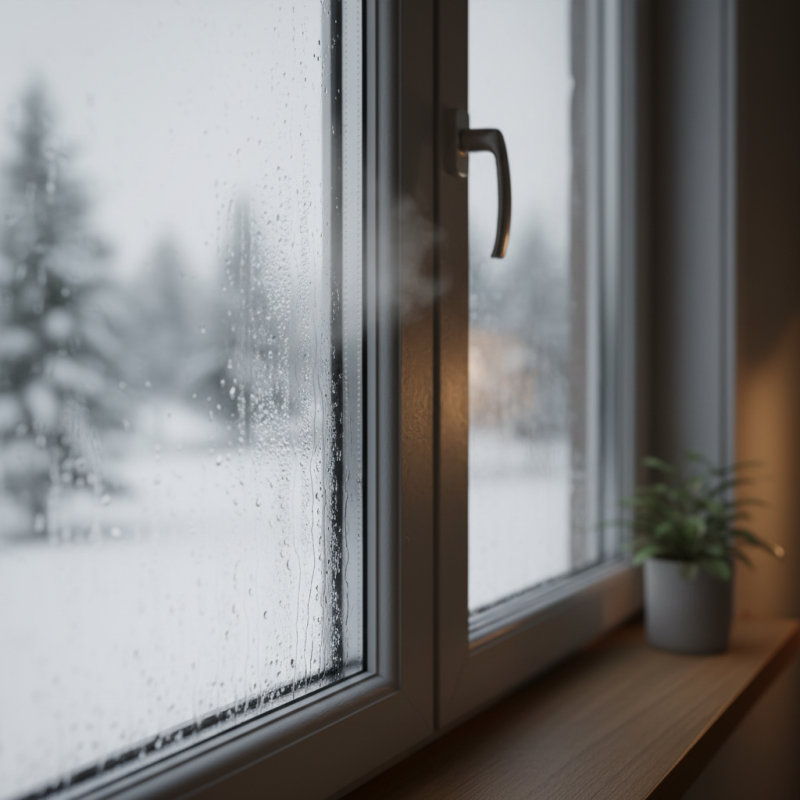
Condensation occurs when warm, moist air comes into contact with a cooler surface. This phenomenon is commonly observed on aluminum window frames. The temperature difference between the interior air and the frame causes water vapor in the air to change into liquid droplets. It’s a simple process, but many homeowners overlook its significance.
Understanding condensation involves recognizing humidity levels indoors. In colder months, indoor humidity can rise due to cooking or showering. When this warm air hits the cooler aluminum, condensation forms. It’s often evident as droplets of water pooling on the frames. This can lead to further issues, such as mold growth or damage to window materials.
Addressing condensation requires practical steps. Using dehumidifiers can help reduce indoor moisture. Regular ventilation is also essential. Simple actions like opening windows or using exhaust fans can significantly lower humidity levels. Yet, even with these measures, some condensation might persist. This reflects the challenge of managing indoor environments effectively.
Condensation on aluminum window frames can be a pesky problem. This phenomenon occurs due to the temperature differences between the inside and outside of the window. When warm air from inside meets the colder surface of the aluminum frame, moisture in the air condenses.
Humidity plays a big role in this process. In homes with high humidity levels, condensation can become more frequent. A well-insulated home should manage moisture effectively. However, when seals fail or insulation is lacking, condensation increases. Regular maintenance and checking for drafts can help reduce moisture accumulation.
Tips: Use dehumidifiers to lower indoor moisture. Ensure proper ventilation in kitchens and bathrooms. Open windows when weather permits. These small changes can make a significant difference.
Furthermore, temperature control is essential. Maintaining a consistent indoor temperature can prevent cold spots where condensation forms. Utilizing shades and curtains can also help insulate windows. Be aware that the age of your windows affects their efficiency too. Older frames may not retain heat as well, leading to more condensation issues.
Condensation on aluminum window frames is a common issue. It occurs when warm, moist air comes into contact with cold surfaces. Temperature plays a crucial role in this process. When exterior temperatures drop, the surface of aluminum frames cools down. This cooling can lead to moisture in the air condensing into water droplets on the frame.
To manage condensation, monitor indoor humidity levels. Aim for a balance of around 30-50%. Using dehumidifiers can help. Ensuring good ventilation in your home is also vital. It allows moisture to escape before it can condense on cold surfaces.
Be mindful of temperature differences inside and outside. Insulating your windows can reduce condensation. Consider upgrading to better-insulated options if condensation is a frequent problem. Small actions in managing temperature and humidity can make a significant difference.
Condensation on aluminum window frames can be a common issue in many homes. This occurs when warm, moist air meets the cooler surface of the aluminum. The temperature difference causes moisture in the air to turn into water droplets on the frames. This can lead to unsightly water stains and even potential damage over time.
To minimize condensation, consider improving ventilation in your home. Open windows and doors regularly to allow fresh air to circulate. Using exhaust fans in kitchens and bathrooms can also help. Another approach is to reduce indoor humidity. You can use a dehumidifier to achieve this. Keeping indoor plants to a minimum helps too.
Insulating your aluminum frames can make a significant difference. There are specialized thermal breaks available that can help reduce the temperature difference. It’s crucial to maintain a balance; over-insulation may trap humidity, which can worsen the situation. Regular maintenance should not be overlooked. Check for leaks or gaps in frames that may allow moisture to seep in. Small adjustments can lead to large improvements.
This chart illustrates the average levels of condensation observed on aluminum window frames during different seasons of the year. The data indicates how temperature differences and humidity levels impact condensation rates.
Humidity levels significantly influence condensation on aluminum window frames. When warm, moist air meets a cooler surface, like an aluminum frame, condensation occurs. This process is particularly common in homes during winter months when indoor heating contrasts with outdoor cold. According to the American Society of Heating, Refrigerating and Air-Conditioning Engineers (ASHRAE), maintaining indoor relative humidity below 50% can help reduce condensation.
The impact of humidity shouldn't be underestimated. High humidity increases the potential for mold growth, affecting air quality. A report from the Environmental Protection Agency (EPA) notes that excess moisture can lead to structural damage over time. People often overlook the importance of humidity control, leading to costly repairs and health risks. Simple measures can be taken to monitor indoor humidity.
Tips for managing humidity include using exhaust fans in kitchens and bathrooms. Regularly checking hygrometers can provide insight into humidity levels. It’s also wise to ensure good ventilation, especially in areas prone to moisture. Awareness and proactive steps can minimize condensation issues, enhancing the lifespan of aluminum frames and indoor air quality.
| Humidity Level (%) | Temperature (°C) | Condensation Risk (Low/Medium/High) | Recommended Action |
|---|---|---|---|
| 30 | 15 | Low | No action needed |
| 50 | 15 | Medium | Increase ventilation |
| 70 | 15 | High | Use dehumidifier |
| 60 | 20 | Medium | Monitor and adjust |
| 80 | 10 | High | Invest in insulation |
: Condensation forms when warm, moist air meets a cooler surface.
It can lead to mold growth and damage to window materials over time.
Use dehumidifiers and ensure good ventilation. Opening windows helps too.
Aim for indoor humidity levels between 30-50% to minimize condensation.
Excess moisture can lead to water pooling and potential mold issues.
Yes, cooler exterior temperatures cool the window, causing more condensation to form.
Reflect on the management of your indoor environment; consider better insulation.
Regular ventilation and using exhaust fans can quickly lower humidity levels.
If condensation is a recurring issue, better-insulated options may be beneficial.
Cooking and showering can significantly raise indoor humidity levels.
Condensation occurs when moisture from the air cools and transforms into liquid water on surfaces. This phenomenon is particularly notable on aluminum window frames due to several contributing factors. Temperature plays a significant role; when warm, moist air comes into contact with the cooler aluminum surface, condensation is likely to form. Additionally, high humidity levels in the environment increase the chances of condensation developing on these frames.
To address the question of why does condensation form on aluminum window frames, it is crucial to recognize the interplay of temperature and humidity. Implementing good ventilation strategies and utilizing thermal breaks in the design of aluminum frames can help minimize condensation issues. Understanding and managing these factors effectively can significantly reduce the occurrence of condensation and enhance indoor comfort.