Angulo Window Angulo Window

How to Choose Thermal Break vs Non Thermal Break Aluminum at Canton Fair 2026?

Time:2026-03-26 Author:Sophia
0%

Choosing the right aluminum for your project can be daunting. At the 2026 Canton Fair, the focus on advanced materials brings this challenge to the forefront. Industry expert Lisa Chen, a renowned architect, states, "Understanding how to choose between thermal break and non-thermal break aluminum is key to energy efficiency." This insight sparks essential conversations among buyers and suppliers.

Amidst the bustling aisles filled with innovations, buyers must weigh the benefits of thermal break aluminum versus non-thermal options. Thermal break aluminum offers better insulation, reducing energy costs. Non-thermal break aluminum may be more affordable but can lead to heat loss. The decision should be based on project needs, climate, and budget constraints.

Navigating the fair's expansive layout, enhanced by AI-powered tools, can simplify finding suitable suppliers. However, it’s easy to get lost in choices. Each decision might lead to reflections on sustainability and long-term efficiency. When standing before countless vendors, consider what truly matters for your project. How to choose between thermal break and non-thermal break aluminum is not just a question; it’s a fundamental choice that impacts future living environments.
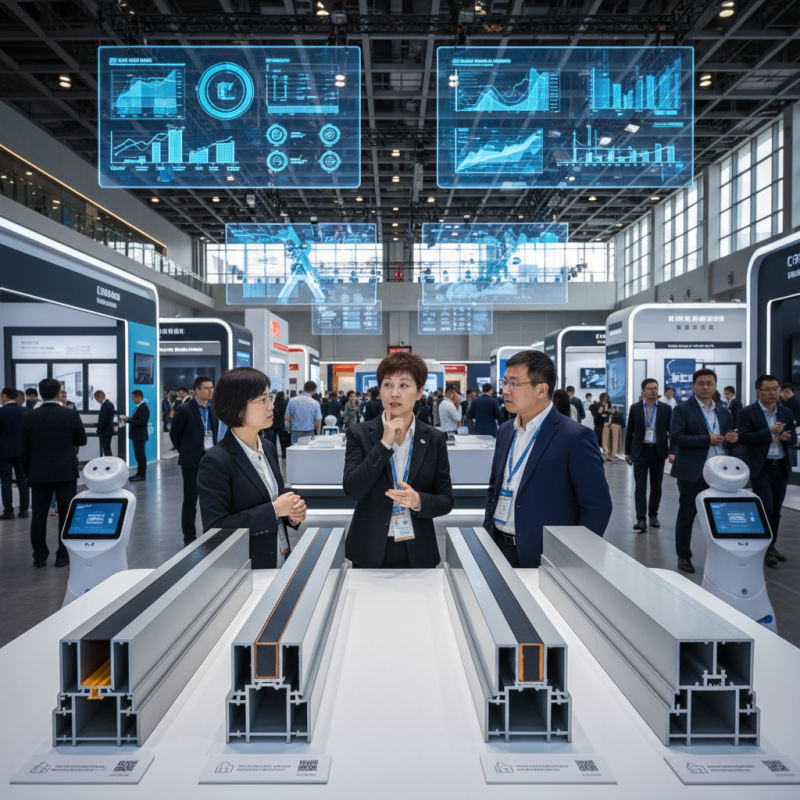
How to Choose Thermal Break vs Non Thermal Break Aluminum at Canton Fair 2026?

Understanding Thermal Break vs Non Thermal Break Aluminum

When choosing between thermal break and non-thermal break aluminum, it's important to understand their differences. Thermal break aluminum contains an insulated barrier. This barrier reduces heat transfer. On the other hand, non-thermal break aluminum lacks this feature, which can lead to higher energy loss.

Tips for selection: Consider your climate. If you live in a colder area, thermal break might be better. It helps maintain indoor temperatures. In warmer environments, non-thermal break could be sufficient and cost-effective. Assess your energy bills. Analyzing these can reveal potential savings with thermal breaks.

Durability is another factor. Thermal break systems can offer better insulation over time. However, they may require more maintenance. Non-thermal options might last longer but can lead to condensation issues. Reflect on your project's needs. Budget constraints and energy efficiency goals should guide your choice. Each option has its trade-offs that deserve careful consideration.

Key Benefits of Thermal Break Aluminum for Energy Efficiency

Thermal break aluminum has become essential for energy efficiency in modern architecture. According to industry studies, buildings with thermal breaks can reduce energy loss by up to 40%. This remarkable figure highlights the importance of choosing the right materials for sustainable development. The thermal break acts as an insulator, minimizing heat transfer. As a result, homes and commercial spaces maintain consistent indoor temperatures more efficiently.

Selecting thermal break aluminum can lead to lower energy costs. Reports indicate that using thermal breaks can result in a 20% decrease in heating and cooling expenses. It also helps in reducing carbon footprints, aligning with global sustainability goals. However, some consumers may hesitate due to the initial higher costs of thermal break systems. This is a valid concern, as upfront investments can be substantial. Yet, the long-term savings often outweigh the initial expense.

It’s crucial to evaluate the performance metrics of thermal vs. non-thermal systems. While non-thermal options might seem appealing due to lower prices, they can lead to higher energy consumption over time. The lack of insulation means greater energy demands. Prospective buyers should consider both costs and environmental impacts when making decisions. This reflection can uncover the true value of energy-efficient materials.

Considerations for Non Thermal Break Aluminum Applications

When considering non-thermal break aluminum applications, several aspects should be evaluated. This type of aluminum is often chosen for its cost-effectiveness and aesthetic appeal. Ideal for indoor uses, it offers a sleek look. Think about your project's requirements. Will the aluminum be exposed to extreme temperatures? If so, an alternative may suit better.

Tips: Evaluate your insulation needs thoroughly. Non-thermal break aluminum can lead to heat loss. It’s essential to inspect the location and climate before making a choice. Sometimes, what looks good may not perform well.

Remember, non-thermal break aluminum might not resist condensation effectively. This could result in water damage over time. Have you considered your building's humidity levels? Assessing moisture control is crucial. A small oversight can lead to significant issues.

Tips: Always think long-term. The initial savings on materials could lead to higher maintenance costs later. Keep your options open and gather insights from industry experts. Your selection today impacts future comfort and energy efficiency.

Evaluating Cost Differences Between Thermal Options

When attending the Canton Fair 2026, understanding the cost differences between thermal break and non-thermal break aluminum is essential. Thermal break aluminum typically has a higher initial cost, often ranging from 15% to 30% more than its non-thermal counterpart. This price hike stems from the added insulation properties. Yet, the long-term savings on energy bills can make it a wise investment.

Research indicates that thermal break systems can improve energy efficiency by nearly 25% to 30%. This is significant for buildings in colder climates. The energy savings help offset the initial costs over time. Non-thermal break aluminum, while cheaper upfront, may lead to higher heating and cooling expenses in the long run. In fact, a report by the U.S. Department of Energy reveals that buildings using thermal breaks can save approximately $200 annually in energy costs.

Despite the advantages, some builders still hesitate. The installation process for thermal break systems can be more complex, requiring skilled labor. This can lead to additional hidden costs. Many projects end up with unexpected overruns. Evaluating your specific needs is crucial. Understand your budget and energy requirements before making a decision.

How to Choose Thermal Break vs Non Thermal Break Aluminum at Canton Fair 2026? - Evaluating Cost Differences Between Thermal Options

Property Thermal Break Aluminum Non Thermal Break Aluminum
Initial Cost $30 per unit $20 per unit
Energy Savings (Annual) $150 $75
Lifespan (Years) 50 30
Maintenance Cost (Annual) $100 $50
Insulation Performance Excellent Good
Environmental Impact Lower Higher

Tips for Selecting the Right Aluminum Type at Canton Fair 2026

When attending Canton Fair 2026, selecting the right type of aluminum can be critical. Thermal break aluminum provides better insulation. It keeps spaces warmer in winter and cooler in summer. This can improve energy efficiency in buildings. Consider your climate and needs carefully. In contrast, non-thermal break aluminum is more affordable and lightweight. However, it might not offer the same thermal benefits.

Think about the projects you have in mind. If you're focusing on energy-efficient buildings, go for thermal break options. These are especially valuable in extreme temperatures. Do you need to answer to budget constraints? Non-thermal break aluminum can be a viable choice, but its performance might be less desirable for some applications.

Pay attention to potential shortcomings in both types. Thermal break units can be costly to install. Non-thermal options may lead to higher energy costs over time. Reflect on these details before making your decision at the fair. It’s easy to be swayed by shiny surfaces and low prices.

Explore and compare both choices thoroughly. Engage with exhibitors and ask questions. Their insights can help clarify your doubts. Each type has its pros and cons. Choose wisely based on your specific needs and the environment.

FAQS

: What is the main difference between thermal break and non-thermal break aluminum?

: Thermal break aluminum has an insulated barrier, which reduces heat transfer. Non-thermal break lacks this feature, leading to higher energy loss.

In which climate is thermal break aluminum more beneficial?

In colder climates, thermal break aluminum helps maintain indoor temperatures, making it a better choice.

Why might someone choose non-thermal break aluminum?

Non-thermal break aluminum is often more cost-effective and has an appealing aesthetic, ideal for indoor applications.

What is a concern with non-thermal break aluminum?

Non-thermal break aluminum can lead to heat loss and may not resist condensation effectively, causing potential water damage.

How can energy bills influence the choice of aluminum type?

Analyzing energy bills can reveal savings potential with thermal breaks, guiding the overall decision on aluminum selection.

Are there maintenance differences between the two types?

Thermal break systems may require more maintenance, while non-thermal options typically last longer but could lead to condensation issues.

What should I consider for insulation needs?

Assess the location and climate thoroughly. Non-thermal break aluminum may lead to higher heat loss in extreme temperatures.

How can long-term costs impact the decision?

Initial savings from non-thermal break aluminum might result in higher future maintenance costs, so think ahead.

What is a potential oversight in choosing aluminum types?

A small oversight in moisture control can lead to significant issues, especially with non-thermal break aluminum.

How does project budget affect aluminum selection?

Budget constraints and energy efficiency goals should guide the choice between thermal and non-thermal break aluminum systems.

Conclusion

Choosing between thermal break and non-thermal break aluminum is crucial for optimizing energy efficiency in various applications. Understanding the distinctions between these two types of aluminum is essential, as thermal break aluminum offers significant benefits by reducing heat transfer, thereby enhancing insulation and energy savings. Non-thermal break aluminum, while generally more cost-effective, may be more suitable for specific applications where insulation is less critical.

When attending the Canton Fair 2026, it's important to consider the specific requirements of your projects, including cost evaluations and application considerations. By weighing the benefits of thermal break aluminum against the cost differences of non-thermal options, you can make informed decisions on how to choose between thermal break and non-thermal break aluminum that align with both performance needs and budget constraints.

Sophia

Sophia

Sophia is a dedicated marketing professional with an exceptional depth of knowledge about her company's products and services. With a keen understanding of market trends and customer needs, she crafts insightful blog posts that not only inform but also engage readers, enriching the company’s online......