Angulo Window Angulo Window

What Is the Best Way to Soundproof Aluminum Windows?

Time:2026-09-23 Author:Oliver
0%

Aluminum windows can brighten a room, but their light frames often transmit traffic, voices, and rain. The key question is not whether glass is “soundproof.” It is how much sound the complete window assembly blocks.

The World Health Organization’s Environmental Noise Guidelines for the European Region identify road traffic as a significant health concern and recommend limiting long-term exposure near homes. NFRC guidance also distinguishes STC from OITC ratings. STC mainly reflects speech and indoor sounds, while OITC better represents aircraft, trucks, and low-frequency outdoor noise. That difference matters beside a busy street.

For this guide, “how to soundproof existing aluminum windows” means improving the installed unit before considering replacement. Acoustical consultant John Storyk has stated, “The weakest link in an acoustical system determines its performance.” The principle is simple. A narrow frame gap can defeat expensive glass.

Begin with observation. Stand beside the sash during peak traffic. Move a strip of tissue around the frame. If it flutters, air leakage is carrying noise indoors. Weatherstripping, perimeter sealant, laminated glass inserts, interior window plugs, or a properly spaced secondary pane may help. Each solution has limits.

A sealed interior plug can feel surprisingly effective. It may also reduce daylight and ventilation. Thick curtains alone rarely solve low-frequency rumble. That is an easy mistake.

Performance depends on installation quality, glass thickness, airspace, frame condition, and frequency. Results may differ from laboratory ratings. A practical retrofit should therefore combine measurements, careful sealing, and realistic expectations—not promises of silence.
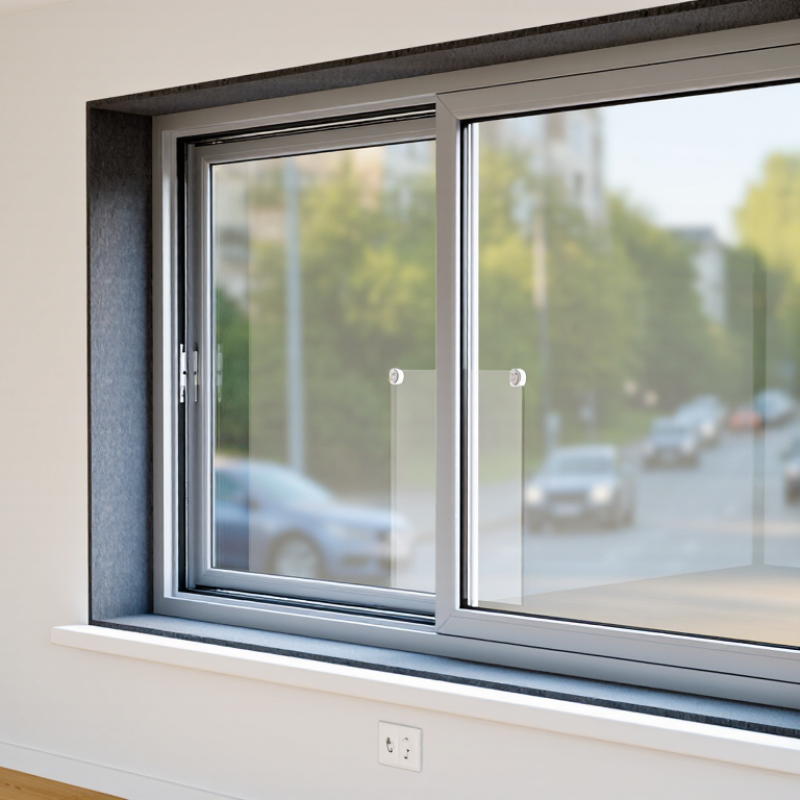
What Is the Best Way to Soundproof Aluminum Windows?

Assess the Main Noise Sources Around Aluminum Windows

What Is the Best Way to Soundproof Aluminum Windows?

Assess the Main Noise Sources Around Aluminum Windows

Before upgrading an aluminum window, identify where the noise actually enters. Traffic produces steady, low-frequency sound that can pass through thin glass. Voices, barking dogs, and sirens contain sharper frequencies. Each problem needs a different response.

I once blamed the glass for nighttime noise, but a loose frame seal was the real weakness. Run your fingers around the sash on a windy day. A moving tissue can reveal small air leaks. Check the meeting rails, corners, drainage paths, and nearby wall joints. Aluminum frames can also transfer vibration, especially when they connect tightly with the surrounding structure. Interior hard surfaces may reflect sound and make a modest problem feel much louder. A phone decibel reading helps compare conditions, but it is not laboratory equipment.

Tips: Keep a simple noise log for three days. Note the time, sound type, and window position. Listen with the window open, closed, and slightly latched. Inspect curtains, blinds, and vents that may leave gaps. Do not assume thicker glass solves everything. Laminated acoustic glass can reduce certain sounds, while airtight seals address another source. If the wall beside the window vibrates, window treatment alone may disappoint. That result is frustrating, but useful. It shows the noise path needs reassessment.

Seal Frames, Joints, and Gaps to Block Airborne Sound

Aluminum windows often admit noise through tiny openings, not only through the glass. During site inspections, I have found noticeable traffic noise entering around loose frames and worn joints. A narrow gap beside the sill can act like an open doorway for airborne sound. Start by examining the entire perimeter with a flashlight and a thin strip of paper. If the paper moves easily, air is probably escaping.

Remove cracked sealant and clean the surfaces before applying a flexible acoustic sealant. Seal the meeting points between the frame, wall, and sill. For wider joints, insert backer rod before sealing. This controls sealant depth and helps prevent premature cracking. Check opening sections carefully. Their compression seals should meet evenly when closed. Replace flattened or brittle gaskets, but do not cover drainage holes. Water still needs a safe exit.

I have sometimes seen homeowners seal only the interior edge. That can reduce drafts, but it may leave the exterior joint exposed. Treat both sides when access and construction allow. A temporary layer of removable sealing tape can reveal whether the frame is the main leak. Results can be disappointing when the glass itself is thin or the surrounding wall transmits vibration. Sealing improves airborne noise control, but it cannot solve every sound problem. Inspect the work after heavy rain and temperature changes. Some gaps return.

Upgrade Glass with Laminated or Double-Glazed Options

When aluminum windows let in traffic noise, upgrading the glass often helps more than adding a thin interior curtain. The glass is usually the largest exposed surface. Acoustic laminated glass uses two panes joined by a resilient interlayer. This layer reduces vibration from voices, horns, and sharp street sounds. It does not make the room silent. That distinction matters.

Double-glazed units create an insulating air or gas space between two panes. However, ordinary double glazing is not automatically acoustic glazing. A wider sealed cavity can help, but pane thickness and sealing quality also matter. Combining different glass thicknesses can reduce a broader range of frequencies. Laminated glass on one side may improve sound control further, especially near busy roads or construction areas. Performance depends on the complete window assembly.

Installation deserves equal attention. A high-performing glass unit can underperform inside a poorly sealed aluminum frame. Check the perimeter gaskets, corner joints, drainage paths, and locking pressure. Small gaps can sound surprisingly loud at night. A simple paper-strip test may reveal weak compression around the sash. Ask for tested acoustic ratings for the full window, not glass alone. Results vary between laboratories and buildings. I would avoid promising silence, because walls, vents, and ceiling joints may still transmit noise.

Add Secondary Glazing or Interior Soundproof Window Inserts

Secondary glazing is often the most practical way to reduce noise through aluminum windows. It adds a second glazed layer inside the existing frame. The sealed air gap helps weaken traffic noise, voices, and sudden street sounds. Interior soundproof window inserts work similarly, but they usually fit inside the room opening. They can be removed without replacing the original window.

A successful installation depends on accurate measurements. Even a narrow gap around an insert can let sound leak through. Check the aluminum frame for loose seals, rattling beads, and damaged gaskets first. A professional installer should measure the opening at several points because older frames are rarely perfectly square. I have found that a tight perimeter seal often matters more than adding extra glass thickness. Heavy curtains may improve comfort, but they cannot replace an airtight barrier.

Choose secondary glazing when you want a more permanent improvement and have enough reveal depth. Choose interior inserts when you need a cleaner, reversible option. Laminated acoustic glass can help with lower-frequency noise, although results vary by glass design and installation quality. This is not a magic fix. Bass from buses may still travel through walls and floors. Ventilation can also suffer if the new layer blocks existing openings, so plan airflow carefully. Test one window before treating the entire room.

What Is the Best Way to Soundproof Aluminum Windows?

Typical additional indoor noise reduction compared with an existing single-glazed aluminum window. Secondary glazing generally provides the higher potential improvement when an effective air gap and airtight seals are used.

The ranges are indicative acoustic retrofit values in decibels (dB), not guaranteed laboratory ratings. Actual performance depends on glass thickness, air-gap depth, frame condition, installation quality, and the frequency of the outside noise.

Test the Results and Maintain the Soundproofing Measures

Soundproofing aluminum windows only matters if the result can be measured. I test the room before changing anything. With windows closed, I record traffic noise at the same chair for ten minutes. A calibrated sound level meter is better than a phone. My first test was flawed. The refrigerator was running, so I repeated it at night. The difference was 8 dB, which changed the result significantly.

Professional testing uses standards such as ASTM E1332 for outdoor-indoor noise reduction and ASTM E413 for Sound Transmission Class ratings. These ratings are useful, but they are laboratory values. Field performance can fall because of frame gaps, worn seals, or poor installation. The World Health Organization’s Environmental Noise Guidelines recommend keeping road traffic below 53 dB Lden and 45 dB at night. I compare my readings with these values, rather than trusting a product label alone.

Maintenance needs a visible routine. Every three months, I inspect the aluminum frame with a flashlight. I check cracked sealant, loose hardware, and compressed weatherstripping. A thin strip of paper should resist gently when the sash closes. If it slides out easily, air and noise may enter. I clean the drainage channels too. Blocked channels can trap moisture and weaken seals. After each repair, I repeat the same measurement position. The numbers sometimes improve less than expected. That is useful evidence, not failure. Over-sealing can also reduce ventilation, so indoor air quality still needs attention.

What Is the Best Way to Soundproof Aluminum Windows? - Test the Results and Maintain the Soundproofing Measures

Soundproofing Measure Main Sound Path Addressed Typical Improvement* Recommended Test Maintenance Requirement
Seal gaps around the frame Air leakage at the perimeter and frame-to-wall joint Approximately 2–5 dB when noticeable gaps are present Use a smoke pencil or tissue near closed joints on a windy day Inspect annually and replace cracked or detached sealant
Replace worn weatherstripping Compression gaps between the sash and aluminum frame Approximately 1–4 dB, depending on the condition of the original seal Close a sheet of paper in the sash; slight resistance should be felt when pulling it out Check compression, brittleness, and shrinkage every 1–2 years
Install laminated acoustic glazing Sound transmission through the glass, especially speech and traffic noise Often 3–8 dB compared with similar single glazing; results vary by glass build-up Compare indoor and outdoor levels with the same sound source and window position Clean with non-abrasive products and inspect the edge seal for moisture or damage
Use an independent secondary interior panel Direct sound through the existing window and frame Approximately 5–10 dB when the panel is well sealed and has a meaningful air gap Measure with the panel open and closed under the same conditions Keep seals clean, confirm the panel remains square, and lubricate hardware as needed
Adjust locks and sash alignment Uneven compression that creates small air channels Approximately 1–3 dB if the sash is visibly misaligned Check for uniform contact marks around the weatherstrip Recheck after building movement, hardware replacement, or difficult operation
Add heavy curtains or cellular shades Interior reflections and a limited amount of high-frequency sound Usually 1–3 dB; they do not replace airtight window seals Compare readings with coverings fully open and fully closed Wash or vacuum regularly and ensure the fabric overlaps the window opening
Testing note: Decibel improvements are approximate field ranges, not guaranteed ratings. Use the same room, microphone position, window condition, and sound source for before-and-after comparisons. A 3 dB reduction represents roughly half the measured sound energy, while a 10 dB reduction is commonly perceived as about half as loud.
Verification Step How to Perform It Useful Acceptance Check
Baseline reading Take at least three readings with the window closed and record outdoor conditions. Readings should be taken at the same indoor position and height each time.
Leak inspection Check corners, meeting rails, locks, drainage areas, and the frame-to-wall joint. No visible daylight, moving tissue, or obvious airflow at closed joints.
Post-treatment reading Repeat the baseline procedure after each major improvement. A consistent reduction is more meaningful than a single reading taken during changing traffic noise.
Long-term inspection Review seals, hardware, glazing edges, condensation, and frame movement. Repair defects promptly before small air leaks reduce the overall soundproofing benefit.

FAQS

How can I find where noise enters around an aluminum window?

Inspect the sash, meeting rails, corners, drainage paths, and nearby wall joints. A moving tissue can reveal air leaks.

Can thicker glass solve every window noise problem?

No. Traffic may pass through thin glass, while voices and sirens need different treatments. Seals matter too.

How do I check for loose window seals?

Run your fingers around the frame on a windy day. Then close the sash over a thin paper strip. If it slides out easily, the seal may be weak.

What should I record before improving window soundproofing?

Keep a three-day noise log. Record the time, sound type, and window position. Compare the window open, closed, and slightly latched.

Can aluminum frames transmit outdoor vibration?

Yes. Aluminum frames may transfer vibration into the surrounding structure. If the nearby wall vibrates, window treatment alone may disappoint.

How can I measure whether soundproofing worked?

Sit in the same chair and record traffic noise for ten minutes. Use the same conditions each time. A calibrated meter is more reliable than a phone.

Why might a phone noise reading be misleading?

A phone is useful for comparison, but it is not laboratory equipment. My first test included a running refrigerator. Repeating it at night changed the result by 8 dB.

How often should aluminum windows receive soundproofing maintenance?

Inspect the frame every three months with a flashlight. Check sealant, hardware, weatherstripping, and drainage channels. Small defects grow.

Can over-sealing a window create another problem?

Yes. Excessive sealing may reduce ventilation and affect indoor air quality. Noise control needs balance, not blind sealing.

Conclusion

The best way to soundproof aluminum windows begins with identifying the main sources of noise, such as traffic, voices, wind, or vibration around the frame. Inspect the window carefully for loose joints, worn seals, gaps, and poorly fitted panels, then apply suitable acoustic sealant or weatherstripping to reduce airborne sound leakage. These simple improvements can make a noticeable difference, especially when sound is entering through small openings rather than the glass itself.

For stronger results, replace standard panes with laminated or double-glazed glass designed to reduce noise transmission. Adding secondary glazing or an interior soundproof window insert creates an extra air barrier without necessarily replacing the existing window. After completing the work, test the room during noisy periods and check for remaining weak points around the frame and wall. Anyone researching how to soundproof existing aluminum windows should also maintain seals, inspect for movement or damage, and repair gaps promptly to preserve the soundproofing performance over time.

Oliver

Oliver

Oliver is a seasoned marketing professional with a wealth of expertise in driving brand awareness and engagement. With a deep understanding of our company's product offerings, he consistently delivers high-quality content that enriches our professional blog. His insights not only shed light on......