Angulo Window
When considering window materials, homeowners often ponder durability. A significant question arises: why are aluminum windows more durable than uPVC? This inquiry reflects the ongoing conversation about materials in modern architecture. Aluminum has gained popularity over time, thanks to its resilience. It can withstand harsh weather conditions better than uPVC, which is susceptible to warping and fading.
Aluminum windows offer strength that surpasses many other materials. They resist corrosion and can endure impacts without losing structural integrity. In contrast, uPVC may crack or become brittle over time. This leads to questions about long-term investment in home improvements. While uPVC windows might have appealing initial costs, their longevity pales compared to aluminum options.
In a market filled with choices, understanding material properties is essential. Homeowners must weigh aesthetics against practicality. The prevailing belief in aluminum's durability challenges conventional wisdom. Is the lower cost of uPVC truly worth the later repairs? As we explore these materials, we gain clarity on making informed choices for our homes.
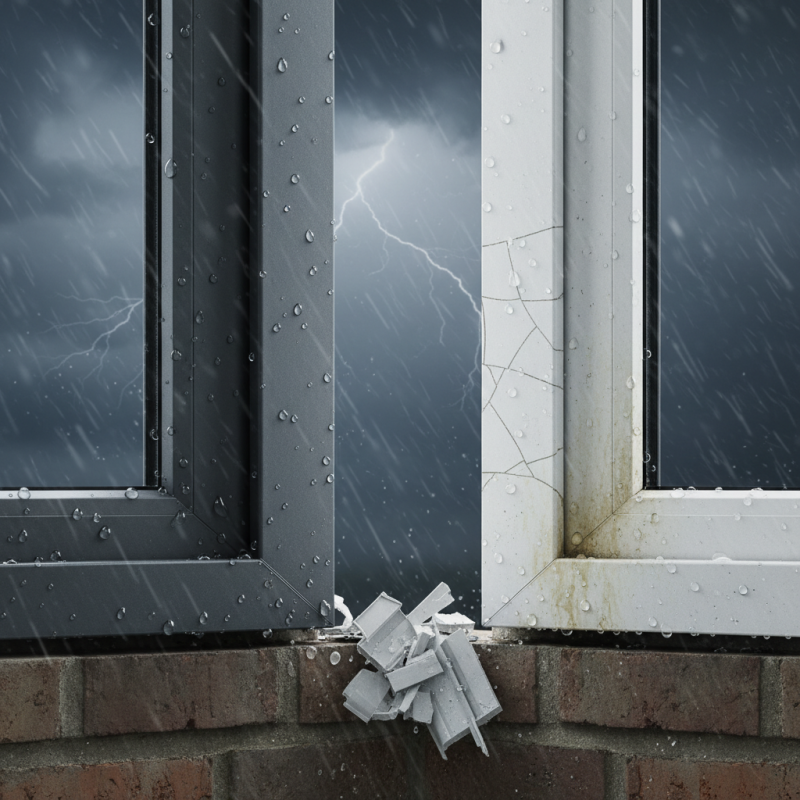
Aluminum windows offer superior durability compared to uPVC windows for several reasons. One key factor is the material itself. Aluminum is a strong metal that can withstand extreme weather conditions. It resists warping, cracking, and fading, which are common issues with uPVC. Furthermore, aluminum is less prone to corrosion due to modern protective coatings, increasing its lifespan even in humid climates.
Another aspect is the structural integrity of aluminum frames. These frames are engineered to support larger panes of glass. This design feature means that aluminum windows can handle more stress due to wind pressure without bending or breaking. They maintain their shape and function over time, even with extensive use.
Maintenance also plays a role in their durability. While uPVC often requires regular cleaning to avoid yellowing and staining, aluminum windows need minimal upkeep. Cleaning them occasionally with soapy water is usually sufficient. This ease of maintenance contributes to their long-term reliability and performance. However, some homeowners may overlook the initial cost. Aluminum windows can be pricier upfront, but their longevity often justifies the investment.
Aluminum and uPVC are popular choices for window frames, yet their material properties set them apart significantly. Aluminum is known for its strength and resilience. It can endure harsh weather conditions without warping or swelling. In contrast, uPVC may become brittle over time, especially when exposed to UV rays. This vulnerability limits its lifespan, making aluminum a more reliable option.
Another key difference lies in thermal efficiency. Aluminum frames often feature thermal breaks, which improve insulation. This means homes stay warmer in winter and cooler in summer, saving on energy costs. Conversely, uPVC generally offers decent insulation, but it may not match aluminum's efficiency in extreme climates. The versatility of aluminum also shines through its aesthetics. It can be shaped into slim profiles, allowing for larger glass areas and better views. uPVC is bulkier, which can restrict design options.
While aluminum windows may have higher upfront costs, they often prove more economical over the long term. The durability of aluminum reduces the need for frequent replacements. However, the initial investment can give some homeowners pause. Making the right choice depends on personal priorities, such as budget and aesthetics. Understanding these material properties is crucial in making an informed decision.
Aluminum windows have proven to be exceptionally durable due to their strong resistance to environmental factors. Unlike uPVC, aluminum does not warp, crack, or fade when exposed to extreme weather. Rain, snow, and sunlight affect different materials in varying ways. Aluminum handles these elements well, maintaining its shape and integrity.
Over time, aluminum windows require less maintenance. They resist humidity and corrosion, making them ideal for coastal regions or places with heavy rainfall. This resistance ensures longevity and reduces the need for replacement. Some homeowners might overlook this fact, focusing instead on the initial costs of installation.
However, it’s important to reflect on some downsides. While aluminum is strong, it can conduct heat. This property can lead to temperature fluctuations indoors if not properly insulated. Additionally, the initial investment may be higher compared to uPVC options. These considerations can lead to a deeper understanding of what truly lasts in different climates and situations.
| Property | Aluminum Windows | uPVC Windows |
|---|---|---|
| Corrosion Resistance | High | Medium |
| Weather Resistance | Excellent | Good |
| UV Resistance | High | Low |
| Lifespan | 40+ years | 20-30 years |
| Maintenance | Low | Medium |
| Recyclability | 100% | Limited |
When considering window materials, durability and maintenance are critical factors. Aluminum windows often outlast uPVC counterparts. Reports show that aluminum can last more than 30 years with proper care, while uPVC windows might require replacement after just 20 years. This difference is due to aluminum's strength and resistance to environmental factors.
Aluminum does not warp, crack, or fade like uPVC. This longevity comes from a strong structural composition. uPVC can become brittle over time, especially in extreme weather. In cooler climates, uPVC windows may contract and expand, leading to visible issues. Aluminum's inherent strength allows it to withstand greater temperature fluctuations without compromising integrity.
Maintenance also plays a significant role in their lifecycle. Aluminum requires less frequent maintenance. A simple wash with soapy water suffices. In contrast, uPVC might need special treatments to prevent discoloration and surface damage. Furthermore, aluminum frames can be recycled many times. This sustainability aspect adds to its appeal as an environmentally-friendly option. The lifespan and maintenance needs highlight why aluminum windows often outperform uPVC in long-term durability.
When comparing aluminum and uPVC windows, thermal and structural integrity plays a crucial role in durability. According to industry reports, aluminum windows have a thermal conductivity of 237 W/mK, significantly higher than the 0.14 W/mK for uPVC. This means that aluminum windows can better manage temperature fluctuations, making them less prone to warping over time.
Additionally, aluminum windows maintain structural integrity under extreme weather conditions. Studies show that they can withstand wind speeds up to 120 mph, while uPVC may begin to lose integrity above 80 mph. These figures highlight aluminum's superior resistance to physical stress, especially in climates with harsh weather.
Tips: To enhance the lifespan of your windows, consider regular maintenance. Inspect seals and frames for wear and tear. Invest in thermal breaks or insulated frames for added efficiency. Remember, choosing the right window type significantly impacts your home's energy efficiency and longevity.
: Aluminum is stronger and more durable, while uPVC is lighter and may become brittle over time.
Aluminum typically offers better insulation, keeping homes comfortable in extreme temperatures compared to uPVC.
uPVC can become brittle when exposed to UV rays and may not last as long as aluminum in harsh conditions.
With proper care, aluminum windows can last over 30 years, which is generally longer than uPVC.
Yes, aluminum requires less frequent maintenance, needing just a simple wash with soapy water.
Although aluminum has higher initial costs, its longevity and lower maintenance make it more economical over time.
Aluminum frames are recyclable, contributing to sustainability and reducing overall waste.
Aluminum allows for slimmer profiles, providing larger glass areas and better views, unlike bulkier uPVC.
uPVC may contract and expand, causing visible issues, whereas aluminum maintains its integrity in temperature fluctuations.
If you live in extreme climates, aluminum may be the better choice for durability and efficiency over time.
The article titled "Why Are Aluminum Windows More Durable Than uPVC?" explores various factors that contribute to the superior durability of aluminum windows over uPVC. It begins by comparing the inherent material properties of both options, highlighting the strength and resilience of aluminum in contrast to the limitations of uPVC.
Environmental resistance plays a crucial role, as aluminum windows exhibit exceptional durability against harsh weather conditions, ensuring they maintain their appearance and functionality over time. Additionally, the maintenance and longevity of aluminum are examined, revealing that these windows often outlast their uPVC counterparts due to lower susceptibility to wear and tear. Finally, the discussion on thermal and structural integrity underscores aluminum's advantages in energy efficiency and stability, further cementing the notion of why aluminum windows are more durable than uPVC.
